
UN Calls for More International Support for Kenya
Source: Kenyans.co.ke
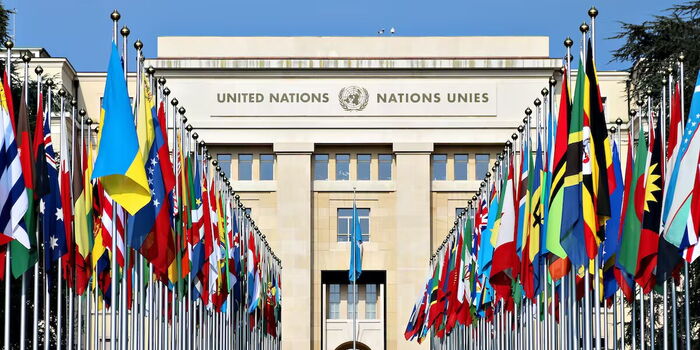
The United Nations has called on the international community to provide greater support to Kenya in its efforts to accommodate refugees within the country.
Speaking after visiting the Kakuma refugee camp on Sunday, January 11, United Nations High Commissioner for Refugees (UNHCR) Barham Salih alluded tothe Kenyan government's efforts to provide the refugeeswith accessible healthcare and education.
The High Commissioner commended Kenya's inclusive policies for refugees, which ensure their inclusion and self-reliance despite funding cuts and other challenges.
"This is something that we need to support and engage with. the international community, development agencies, the world bank and othetrs really need to engage to making sure that this notion of shared development is one way to including refugees to national life," he stated.
"Kenya has been quite remarkable and truly stands out as a model for protection in this troubled region. Kenya is doing its part. It needs greater international support," he added.
He noted that Kenya provided the refugees with essential needs, including education, healthcare, and shelter, a progress he said was commendable and offered valuable lessons to the world. He pledged the commission's support to find sustainable solutions for the refugees.
Salih is in Kenya for his first official visit since being elected High Commissioner on January 1.
He is expected to spend his visit interacting with refugees, listening to their experiences and their hopes for the future.
His call for Kenya's support came at a time when the global humanitarian system is facing its most significant budget crisis, as major donors,including the USA, UK, and Germany, have drastically cut their funding.
As of January 2026, Kenya hosted over 800,000 refugees and asylum seekers across various camps. The Kakuma camp is home to over 300,000 people, while the Dadaab refugee complex hosted close to 406,000 refugees.
The UNHCR states thatas of June 2025, it had to reduce its global staffing costs by nearly 30 per cent, resulting in the closure of offices and the termination of over 3,500 permanent staff members and hundreds of temporary staff.
According to the agency, the budget cuts weakened the health of 12.8 million displaced people, including 6.3 million children, who relied on the agency for access to various forms of aid, including primary healthcare. In Kenya, the funding cuts affected over 800,000 refugees.