
Twenty-three counties facing food shortage as drought crisis deepens
Source: The Standard
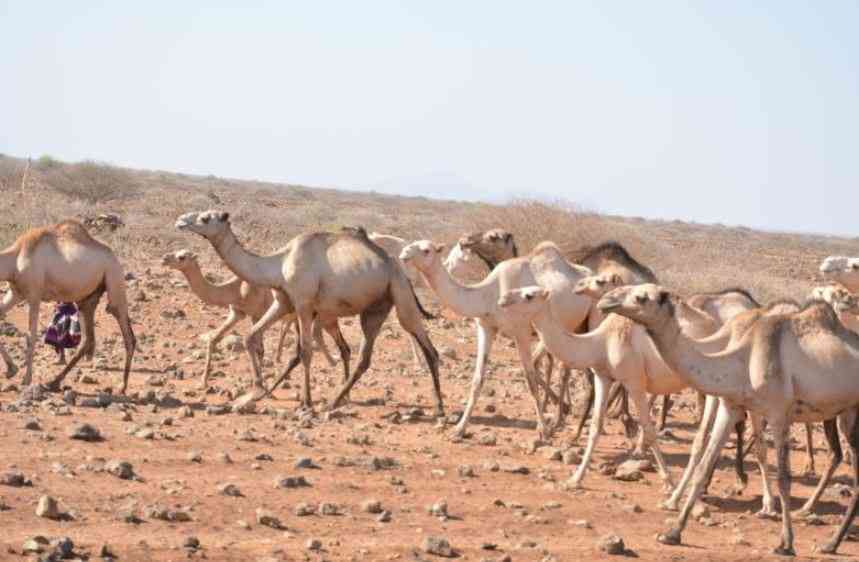
Twenty-three counties have been adversely affected by drought with fears that the situation could get worse in the coming days due to the harsh weather.Mandera is the hardest hit while the situation in Turkana, Wajir, Garissa, Tana River, Kilifi, Kwale, Isiolo, Kajiado and Marsabit is deteriorating by the day.According to the National Drought Management Authority (NDMA), the ASAL counties recorded near-normal to below-normal rainfall in December.This came as the state agency warned that most part of the ASAL counties would experience generally sunny and dry conditions consistent with January climatology.Follow The Standard
channel
on WhatsAppIn its monthly report, the agency noted that December rainfall performance across the country showed marked spatial variability.“Most of the ASAL counties recorded near-normal to below-normal rainfall, and only a few localized areas experienced above-normal conditions,” reads the report.Other counties that have been affected by the harsh weather conditions include Samburu, Taita Taveta, Tharaka Nithi, Laikipia, Kitui, Baringo, Makueni, Narok, Nyeri, Embu, Meru, Lamu and West Pokot“Overall, the drought situation continues to deteriorate, despite a few counties showing normal-worsening trends, transitioning into the Alert and Alarm drought phase,” reads the report in part.The authority further warned that the weather forecast indicated that January was expected to be predominantly dry over most of the ASAL counties of Kenya.“Large parts of the country are likely to experience generally sunny and dry conditions consistent with January climatology,” says the report.The report further noted that the nutrition situation remained generally stable in about 70 percent of the counties but deteriorated in Isiolo, Samburu, Turkana, Wajir, Kwale, Meru, and Narok.The decline in these counties according to NDMA was largely driven by reduced milk availability for children aged five years and below and limited access to diverse diets due to the weakening household purchasing power.“While most counties reported malnutrition levels within the long-term average, concerns persisted in Marsabit, Turkana, Kilifi, Kwale, Lamu and Meru, due to the high disease burden.Recently, COG chairman Ahmed Abdullahi warned of major deaths of livestock and humans in the coming months with parts of the country already expressing harsh weather conditions.“We are calling for urgent strategic grain, livestock and hay reserves following the warning by the meteorological department of depressed short and long rains,” he said.Stay informed. Subscribe to our newsletterBy clicking on theSIGN UPbutton, you agree to ourTerms & Conditionsand thePrivacy PolicySIGN UPHe termed the warning by the Mets of depressed rains as a major blow to the pastoralists who were yet to recover from the recent drought where over 3 million herds of livestock were lost.Stay Informed, Stay Empowered: Download the Standard ePaper App!“Livestock has started to die and it's time we established strategic livestock, feed and hay reserves so that every drought that occurs does not wipe out our livestock economy,” he said.Follow The Standard
channel
on WhatsApp
Mandera is the hardest hit while the situation in Turkana, Wajir, Garissa, Tana River, Kilifi, Kwale, Isiolo, Kajiado and Marsabit is deteriorating by the day.According to the National Drought Management Authority (NDMA), the ASAL counties recorded near-normal to below-normal rainfall in December.This came as the state agency warned that most part of the ASAL counties would experience generally sunny and dry conditions consistent with January climatology.Follow The Standard
channel
on WhatsAppIn its monthly report, the agency noted that December rainfall performance across the country showed marked spatial variability.“Most of the ASAL counties recorded near-normal to below-normal rainfall, and only a few localized areas experienced above-normal conditions,” reads the report.Other counties that have been affected by the harsh weather conditions include Samburu, Taita Taveta, Tharaka Nithi, Laikipia, Kitui, Baringo, Makueni, Narok, Nyeri, Embu, Meru, Lamu and West Pokot“Overall, the drought situation continues to deteriorate, despite a few counties showing normal-worsening trends, transitioning into the Alert and Alarm drought phase,” reads the report in part.The authority further warned that the weather forecast indicated that January was expected to be predominantly dry over most of the ASAL counties of Kenya.“Large parts of the country are likely to experience generally sunny and dry conditions consistent with January climatology,” says the report.The report further noted that the nutrition situation remained generally stable in about 70 percent of the counties but deteriorated in Isiolo, Samburu, Turkana, Wajir, Kwale, Meru, and Narok.The decline in these counties according to NDMA was largely driven by reduced milk availability for children aged five years and below and limited access to diverse diets due to the weakening household purchasing power.“While most counties reported malnutrition levels within the long-term average, concerns persisted in Marsabit, Turkana, Kilifi, Kwale, Lamu and Meru, due to the high disease burden.Recently, COG chairman Ahmed Abdullahi warned of major deaths of livestock and humans in the coming months with parts of the country already expressing harsh weather conditions.“We are calling for urgent strategic grain, livestock and hay reserves following the warning by the meteorological department of depressed short and long rains,” he said.Stay informed. Subscribe to our newsletterBy clicking on theSIGN UPbutton, you agree to ourTerms & Conditionsand thePrivacy PolicySIGN UPHe termed the warning by the Mets of depressed rains as a major blow to the pastoralists who were yet to recover from the recent drought where over 3 million herds of livestock were lost.Stay Informed, Stay Empowered: Download the Standard ePaper App!“Livestock has started to die and it's time we established strategic livestock, feed and hay reserves so that every drought that occurs does not wipe out our livestock economy,” he said.Follow The Standard
channel
on WhatsApp
According to the National Drought Management Authority (NDMA), the ASAL counties recorded near-normal to below-normal rainfall in December.This came as the state agency warned that most part of the ASAL counties would experience generally sunny and dry conditions consistent with January climatology.Follow The Standard
channel
on WhatsAppIn its monthly report, the agency noted that December rainfall performance across the country showed marked spatial variability.“Most of the ASAL counties recorded near-normal to below-normal rainfall, and only a few localized areas experienced above-normal conditions,” reads the report.Other counties that have been affected by the harsh weather conditions include Samburu, Taita Taveta, Tharaka Nithi, Laikipia, Kitui, Baringo, Makueni, Narok, Nyeri, Embu, Meru, Lamu and West Pokot“Overall, the drought situation continues to deteriorate, despite a few counties showing normal-worsening trends, transitioning into the Alert and Alarm drought phase,” reads the report in part.The authority further warned that the weather forecast indicated that January was expected to be predominantly dry over most of the ASAL counties of Kenya.“Large parts of the country are likely to experience generally sunny and dry conditions consistent with January climatology,” says the report.The report further noted that the nutrition situation remained generally stable in about 70 percent of the counties but deteriorated in Isiolo, Samburu, Turkana, Wajir, Kwale, Meru, and Narok.The decline in these counties according to NDMA was largely driven by reduced milk availability for children aged five years and below and limited access to diverse diets due to the weakening household purchasing power.“While most counties reported malnutrition levels within the long-term average, concerns persisted in Marsabit, Turkana, Kilifi, Kwale, Lamu and Meru, due to the high disease burden.Recently, COG chairman Ahmed Abdullahi warned of major deaths of livestock and humans in the coming months with parts of the country already expressing harsh weather conditions.“We are calling for urgent strategic grain, livestock and hay reserves following the warning by the meteorological department of depressed short and long rains,” he said.Stay informed. Subscribe to our newsletterBy clicking on theSIGN UPbutton, you agree to ourTerms & Conditionsand thePrivacy PolicySIGN UPHe termed the warning by the Mets of depressed rains as a major blow to the pastoralists who were yet to recover from the recent drought where over 3 million herds of livestock were lost.Stay Informed, Stay Empowered: Download the Standard ePaper App!“Livestock has started to die and it's time we established strategic livestock, feed and hay reserves so that every drought that occurs does not wipe out our livestock economy,” he said.Follow The Standard
channel
on WhatsApp
This came as the state agency warned that most part of the ASAL counties would experience generally sunny and dry conditions consistent with January climatology.Follow The Standard
channel
on WhatsAppIn its monthly report, the agency noted that December rainfall performance across the country showed marked spatial variability.“Most of the ASAL counties recorded near-normal to below-normal rainfall, and only a few localized areas experienced above-normal conditions,” reads the report.Other counties that have been affected by the harsh weather conditions include Samburu, Taita Taveta, Tharaka Nithi, Laikipia, Kitui, Baringo, Makueni, Narok, Nyeri, Embu, Meru, Lamu and West Pokot“Overall, the drought situation continues to deteriorate, despite a few counties showing normal-worsening trends, transitioning into the Alert and Alarm drought phase,” reads the report in part.The authority further warned that the weather forecast indicated that January was expected to be predominantly dry over most of the ASAL counties of Kenya.“Large parts of the country are likely to experience generally sunny and dry conditions consistent with January climatology,” says the report.The report further noted that the nutrition situation remained generally stable in about 70 percent of the counties but deteriorated in Isiolo, Samburu, Turkana, Wajir, Kwale, Meru, and Narok.The decline in these counties according to NDMA was largely driven by reduced milk availability for children aged five years and below and limited access to diverse diets due to the weakening household purchasing power.“While most counties reported malnutrition levels within the long-term average, concerns persisted in Marsabit, Turkana, Kilifi, Kwale, Lamu and Meru, due to the high disease burden.Recently, COG chairman Ahmed Abdullahi warned of major deaths of livestock and humans in the coming months with parts of the country already expressing harsh weather conditions.“We are calling for urgent strategic grain, livestock and hay reserves following the warning by the meteorological department of depressed short and long rains,” he said.Stay informed. Subscribe to our newsletterBy clicking on theSIGN UPbutton, you agree to ourTerms & Conditionsand thePrivacy PolicySIGN UPHe termed the warning by the Mets of depressed rains as a major blow to the pastoralists who were yet to recover from the recent drought where over 3 million herds of livestock were lost.Stay Informed, Stay Empowered: Download the Standard ePaper App!“Livestock has started to die and it's time we established strategic livestock, feed and hay reserves so that every drought that occurs does not wipe out our livestock economy,” he said.Follow The Standard
channel
on WhatsApp
In its monthly report, the agency noted that December rainfall performance across the country showed marked spatial variability.“Most of the ASAL counties recorded near-normal to below-normal rainfall, and only a few localized areas experienced above-normal conditions,” reads the report.Other counties that have been affected by the harsh weather conditions include Samburu, Taita Taveta, Tharaka Nithi, Laikipia, Kitui, Baringo, Makueni, Narok, Nyeri, Embu, Meru, Lamu and West Pokot“Overall, the drought situation continues to deteriorate, despite a few counties showing normal-worsening trends, transitioning into the Alert and Alarm drought phase,” reads the report in part.The authority further warned that the weather forecast indicated that January was expected to be predominantly dry over most of the ASAL counties of Kenya.“Large parts of the country are likely to experience generally sunny and dry conditions consistent with January climatology,” says the report.The report further noted that the nutrition situation remained generally stable in about 70 percent of the counties but deteriorated in Isiolo, Samburu, Turkana, Wajir, Kwale, Meru, and Narok.The decline in these counties according to NDMA was largely driven by reduced milk availability for children aged five years and below and limited access to diverse diets due to the weakening household purchasing power.“While most counties reported malnutrition levels within the long-term average, concerns persisted in Marsabit, Turkana, Kilifi, Kwale, Lamu and Meru, due to the high disease burden.Recently, COG chairman Ahmed Abdullahi warned of major deaths of livestock and humans in the coming months with parts of the country already expressing harsh weather conditions.“We are calling for urgent strategic grain, livestock and hay reserves following the warning by the meteorological department of depressed short and long rains,” he said.Stay informed. Subscribe to our newsletterBy clicking on theSIGN UPbutton, you agree to ourTerms & Conditionsand thePrivacy PolicySIGN UPHe termed the warning by the Mets of depressed rains as a major blow to the pastoralists who were yet to recover from the recent drought where over 3 million herds of livestock were lost.Stay Informed, Stay Empowered: Download the Standard ePaper App!“Livestock has started to die and it's time we established strategic livestock, feed and hay reserves so that every drought that occurs does not wipe out our livestock economy,” he said.Follow The Standard
channel
on WhatsApp
“Most of the ASAL counties recorded near-normal to below-normal rainfall, and only a few localized areas experienced above-normal conditions,” reads the report.Other counties that have been affected by the harsh weather conditions include Samburu, Taita Taveta, Tharaka Nithi, Laikipia, Kitui, Baringo, Makueni, Narok, Nyeri, Embu, Meru, Lamu and West Pokot“Overall, the drought situation continues to deteriorate, despite a few counties showing normal-worsening trends, transitioning into the Alert and Alarm drought phase,” reads the report in part.The authority further warned that the weather forecast indicated that January was expected to be predominantly dry over most of the ASAL counties of Kenya.“Large parts of the country are likely to experience generally sunny and dry conditions consistent with January climatology,” says the report.The report further noted that the nutrition situation remained generally stable in about 70 percent of the counties but deteriorated in Isiolo, Samburu, Turkana, Wajir, Kwale, Meru, and Narok.The decline in these counties according to NDMA was largely driven by reduced milk availability for children aged five years and below and limited access to diverse diets due to the weakening household purchasing power.“While most counties reported malnutrition levels within the long-term average, concerns persisted in Marsabit, Turkana, Kilifi, Kwale, Lamu and Meru, due to the high disease burden.Recently, COG chairman Ahmed Abdullahi warned of major deaths of livestock and humans in the coming months with parts of the country already expressing harsh weather conditions.“We are calling for urgent strategic grain, livestock and hay reserves following the warning by the meteorological department of depressed short and long rains,” he said.Stay informed. Subscribe to our newsletterBy clicking on theSIGN UPbutton, you agree to ourTerms & Conditionsand thePrivacy PolicySIGN UPHe termed the warning by the Mets of depressed rains as a major blow to the pastoralists who were yet to recover from the recent drought where over 3 million herds of livestock were lost.Stay Informed, Stay Empowered: Download the Standard ePaper App!“Livestock has started to die and it's time we established strategic livestock, feed and hay reserves so that every drought that occurs does not wipe out our livestock economy,” he said.Follow The Standard
channel
on WhatsApp
Other counties that have been affected by the harsh weather conditions include Samburu, Taita Taveta, Tharaka Nithi, Laikipia, Kitui, Baringo, Makueni, Narok, Nyeri, Embu, Meru, Lamu and West Pokot“Overall, the drought situation continues to deteriorate, despite a few counties showing normal-worsening trends, transitioning into the Alert and Alarm drought phase,” reads the report in part.The authority further warned that the weather forecast indicated that January was expected to be predominantly dry over most of the ASAL counties of Kenya.“Large parts of the country are likely to experience generally sunny and dry conditions consistent with January climatology,” says the report.The report further noted that the nutrition situation remained generally stable in about 70 percent of the counties but deteriorated in Isiolo, Samburu, Turkana, Wajir, Kwale, Meru, and Narok.The decline in these counties according to NDMA was largely driven by reduced milk availability for children aged five years and below and limited access to diverse diets due to the weakening household purchasing power.“While most counties reported malnutrition levels within the long-term average, concerns persisted in Marsabit, Turkana, Kilifi, Kwale, Lamu and Meru, due to the high disease burden.Recently, COG chairman Ahmed Abdullahi warned of major deaths of livestock and humans in the coming months with parts of the country already expressing harsh weather conditions.“We are calling for urgent strategic grain, livestock and hay reserves following the warning by the meteorological department of depressed short and long rains,” he said.Stay informed. Subscribe to our newsletterBy clicking on theSIGN UPbutton, you agree to ourTerms & Conditionsand thePrivacy PolicySIGN UPHe termed the warning by the Mets of depressed rains as a major blow to the pastoralists who were yet to recover from the recent drought where over 3 million herds of livestock were lost.Stay Informed, Stay Empowered: Download the Standard ePaper App!“Livestock has started to die and it's time we established strategic livestock, feed and hay reserves so that every drought that occurs does not wipe out our livestock economy,” he said.Follow The Standard
channel
on WhatsApp
“Overall, the drought situation continues to deteriorate, despite a few counties showing normal-worsening trends, transitioning into the Alert and Alarm drought phase,” reads the report in part.The authority further warned that the weather forecast indicated that January was expected to be predominantly dry over most of the ASAL counties of Kenya.“Large parts of the country are likely to experience generally sunny and dry conditions consistent with January climatology,” says the report.The report further noted that the nutrition situation remained generally stable in about 70 percent of the counties but deteriorated in Isiolo, Samburu, Turkana, Wajir, Kwale, Meru, and Narok.The decline in these counties according to NDMA was largely driven by reduced milk availability for children aged five years and below and limited access to diverse diets due to the weakening household purchasing power.“While most counties reported malnutrition levels within the long-term average, concerns persisted in Marsabit, Turkana, Kilifi, Kwale, Lamu and Meru, due to the high disease burden.Recently, COG chairman Ahmed Abdullahi warned of major deaths of livestock and humans in the coming months with parts of the country already expressing harsh weather conditions.“We are calling for urgent strategic grain, livestock and hay reserves following the warning by the meteorological department of depressed short and long rains,” he said.Stay informed. Subscribe to our newsletterBy clicking on theSIGN UPbutton, you agree to ourTerms & Conditionsand thePrivacy PolicySIGN UPHe termed the warning by the Mets of depressed rains as a major blow to the pastoralists who were yet to recover from the recent drought where over 3 million herds of livestock were lost.Stay Informed, Stay Empowered: Download the Standard ePaper App!“Livestock has started to die and it's time we established strategic livestock, feed and hay reserves so that every drought that occurs does not wipe out our livestock economy,” he said.Follow The Standard
channel
on WhatsApp
The authority further warned that the weather forecast indicated that January was expected to be predominantly dry over most of the ASAL counties of Kenya.“Large parts of the country are likely to experience generally sunny and dry conditions consistent with January climatology,” says the report.The report further noted that the nutrition situation remained generally stable in about 70 percent of the counties but deteriorated in Isiolo, Samburu, Turkana, Wajir, Kwale, Meru, and Narok.The decline in these counties according to NDMA was largely driven by reduced milk availability for children aged five years and below and limited access to diverse diets due to the weakening household purchasing power.“While most counties reported malnutrition levels within the long-term average, concerns persisted in Marsabit, Turkana, Kilifi, Kwale, Lamu and Meru, due to the high disease burden.Recently, COG chairman Ahmed Abdullahi warned of major deaths of livestock and humans in the coming months with parts of the country already expressing harsh weather conditions.“We are calling for urgent strategic grain, livestock and hay reserves following the warning by the meteorological department of depressed short and long rains,” he said.Stay informed. Subscribe to our newsletterBy clicking on theSIGN UPbutton, you agree to ourTerms & Conditionsand thePrivacy PolicySIGN UPHe termed the warning by the Mets of depressed rains as a major blow to the pastoralists who were yet to recover from the recent drought where over 3 million herds of livestock were lost.Stay Informed, Stay Empowered: Download the Standard ePaper App!“Livestock has started to die and it's time we established strategic livestock, feed and hay reserves so that every drought that occurs does not wipe out our livestock economy,” he said.Follow The Standard
channel
on WhatsApp
“Large parts of the country are likely to experience generally sunny and dry conditions consistent with January climatology,” says the report.The report further noted that the nutrition situation remained generally stable in about 70 percent of the counties but deteriorated in Isiolo, Samburu, Turkana, Wajir, Kwale, Meru, and Narok.The decline in these counties according to NDMA was largely driven by reduced milk availability for children aged five years and below and limited access to diverse diets due to the weakening household purchasing power.“While most counties reported malnutrition levels within the long-term average, concerns persisted in Marsabit, Turkana, Kilifi, Kwale, Lamu and Meru, due to the high disease burden.Recently, COG chairman Ahmed Abdullahi warned of major deaths of livestock and humans in the coming months with parts of the country already expressing harsh weather conditions.“We are calling for urgent strategic grain, livestock and hay reserves following the warning by the meteorological department of depressed short and long rains,” he said.Stay informed. Subscribe to our newsletterBy clicking on theSIGN UPbutton, you agree to ourTerms & Conditionsand thePrivacy PolicySIGN UPHe termed the warning by the Mets of depressed rains as a major blow to the pastoralists who were yet to recover from the recent drought where over 3 million herds of livestock were lost.Stay Informed, Stay Empowered: Download the Standard ePaper App!“Livestock has started to die and it's time we established strategic livestock, feed and hay reserves so that every drought that occurs does not wipe out our livestock economy,” he said.Follow The Standard
channel
on WhatsApp
The report further noted that the nutrition situation remained generally stable in about 70 percent of the counties but deteriorated in Isiolo, Samburu, Turkana, Wajir, Kwale, Meru, and Narok.The decline in these counties according to NDMA was largely driven by reduced milk availability for children aged five years and below and limited access to diverse diets due to the weakening household purchasing power.“While most counties reported malnutrition levels within the long-term average, concerns persisted in Marsabit, Turkana, Kilifi, Kwale, Lamu and Meru, due to the high disease burden.Recently, COG chairman Ahmed Abdullahi warned of major deaths of livestock and humans in the coming months with parts of the country already expressing harsh weather conditions.“We are calling for urgent strategic grain, livestock and hay reserves following the warning by the meteorological department of depressed short and long rains,” he said.Stay informed. Subscribe to our newsletterBy clicking on theSIGN UPbutton, you agree to ourTerms & Conditionsand thePrivacy PolicySIGN UPHe termed the warning by the Mets of depressed rains as a major blow to the pastoralists who were yet to recover from the recent drought where over 3 million herds of livestock were lost.Stay Informed, Stay Empowered: Download the Standard ePaper App!“Livestock has started to die and it's time we established strategic livestock, feed and hay reserves so that every drought that occurs does not wipe out our livestock economy,” he said.Follow The Standard
channel
on WhatsApp
The decline in these counties according to NDMA was largely driven by reduced milk availability for children aged five years and below and limited access to diverse diets due to the weakening household purchasing power.“While most counties reported malnutrition levels within the long-term average, concerns persisted in Marsabit, Turkana, Kilifi, Kwale, Lamu and Meru, due to the high disease burden.Recently, COG chairman Ahmed Abdullahi warned of major deaths of livestock and humans in the coming months with parts of the country already expressing harsh weather conditions.“We are calling for urgent strategic grain, livestock and hay reserves following the warning by the meteorological department of depressed short and long rains,” he said.Stay informed. Subscribe to our newsletterBy clicking on theSIGN UPbutton, you agree to ourTerms & Conditionsand thePrivacy PolicySIGN UPHe termed the warning by the Mets of depressed rains as a major blow to the pastoralists who were yet to recover from the recent drought where over 3 million herds of livestock were lost.Stay Informed, Stay Empowered: Download the Standard ePaper App!“Livestock has started to die and it's time we established strategic livestock, feed and hay reserves so that every drought that occurs does not wipe out our livestock economy,” he said.Follow The Standard
channel
on WhatsApp
“While most counties reported malnutrition levels within the long-term average, concerns persisted in Marsabit, Turkana, Kilifi, Kwale, Lamu and Meru, due to the high disease burden.Recently, COG chairman Ahmed Abdullahi warned of major deaths of livestock and humans in the coming months with parts of the country already expressing harsh weather conditions.“We are calling for urgent strategic grain, livestock and hay reserves following the warning by the meteorological department of depressed short and long rains,” he said.Stay informed. Subscribe to our newsletterBy clicking on theSIGN UPbutton, you agree to ourTerms & Conditionsand thePrivacy PolicySIGN UPHe termed the warning by the Mets of depressed rains as a major blow to the pastoralists who were yet to recover from the recent drought where over 3 million herds of livestock were lost.Stay Informed, Stay Empowered: Download the Standard ePaper App!“Livestock has started to die and it's time we established strategic livestock, feed and hay reserves so that every drought that occurs does not wipe out our livestock economy,” he said.Follow The Standard
channel
on WhatsApp
Recently, COG chairman Ahmed Abdullahi warned of major deaths of livestock and humans in the coming months with parts of the country already expressing harsh weather conditions.“We are calling for urgent strategic grain, livestock and hay reserves following the warning by the meteorological department of depressed short and long rains,” he said.Stay informed. Subscribe to our newsletterBy clicking on theSIGN UPbutton, you agree to ourTerms & Conditionsand thePrivacy PolicySIGN UPHe termed the warning by the Mets of depressed rains as a major blow to the pastoralists who were yet to recover from the recent drought where over 3 million herds of livestock were lost.Stay Informed, Stay Empowered: Download the Standard ePaper App!“Livestock has started to die and it's time we established strategic livestock, feed and hay reserves so that every drought that occurs does not wipe out our livestock economy,” he said.Follow The Standard
channel
on WhatsApp
“We are calling for urgent strategic grain, livestock and hay reserves following the warning by the meteorological department of depressed short and long rains,” he said.Stay informed. Subscribe to our newsletterBy clicking on theSIGN UPbutton, you agree to ourTerms & Conditionsand thePrivacy PolicySIGN UPHe termed the warning by the Mets of depressed rains as a major blow to the pastoralists who were yet to recover from the recent drought where over 3 million herds of livestock were lost.Stay Informed, Stay Empowered: Download the Standard ePaper App!“Livestock has started to die and it's time we established strategic livestock, feed and hay reserves so that every drought that occurs does not wipe out our livestock economy,” he said.Follow The Standard
channel
on WhatsApp
He termed the warning by the Mets of depressed rains as a major blow to the pastoralists who were yet to recover from the recent drought where over 3 million herds of livestock were lost.Stay Informed, Stay Empowered: Download the Standard ePaper App!“Livestock has started to die and it's time we established strategic livestock, feed and hay reserves so that every drought that occurs does not wipe out our livestock economy,” he said.Follow The Standard
channel
on WhatsApp
“Livestock has started to die and it's time we established strategic livestock, feed and hay reserves so that every drought that occurs does not wipe out our livestock economy,” he said.Follow The Standard
channel
on WhatsApp
Subscribe to our newsletter and stay updated on the latest developments and special
offers!
Pick your favourite topics below for a tailor made homepage just for you