
Public Health PS Mary Muthoni Calls for Nationwide Cervical Cancer Screening Drive
Source: Kenyans.co.ke
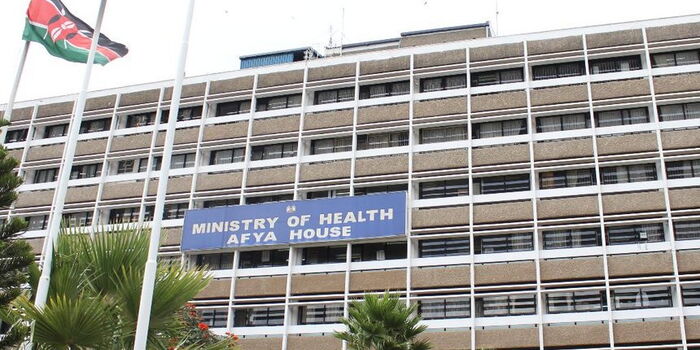
The Principal Secretary for Public Health and Professional Standards, Mary Muthoni, has issued a national appeal to women to undergo cervical cancer screening this January, warning that delayed detection continues to cause thousands of preventable deaths each year.
She spoke as the Ministry of Health marked National Cervical Cancer Awareness Month, emphasising that early screening remains the most effective way to save lives and protect women’s health.
The PS described cervical cancer as one of Kenya’s most serious public health threats, ranking as the second most common cancer among women and the leading cause of cancer-related deaths nationwide.
According to GLOBOCAN 2022 estimates,Kenya records about 5,845 new cases of cervical cancer and 3,591 deaths every year,despite the disease being highly preventable through vaccination and regular screening.
“These numbers are a reminder that cervical cancer is still taking too many lives, yet it is one of the most preventable cancers,” the PS said. “This January, I strongly encourage all eligible women to go for screening. Early detection can mean the difference between life and death.”
Health officials blame the high death toll on low screening rates, stigma, and late diagnosis, saying many women seek medical care only when the disease is at an advanced stage. Unequal access to diagnostic and treatment services, especially in rural areas, has also slowed progress.
The PS highlighted that cervical cancer is mainly caused by persistent infection with high-risk strains of the Human Papillomavirus (HPV).Preventive measures such as HPV vaccination, screening, and early treatment of pre-cancerous lesions have proven highly effective.
In Kenya, HPV vaccination targets girls aged 10–14 years, while screening is recommended for women aged 25–49 years, with further testing for older women depending on clinical advice and individual risk.
“Screening is especially important because early cervical disease often has no symptoms,” Muthoni said. “Women should not wait to feel unwell. Routine checks allow health workers to detect and treat pre-cancerous changes before cancer develops.”
She reaffirmed Kenya’s commitment to the World Health Organisation’s Global Strategy for Cervical Cancer Elimination, which sets the 90–70–90 goals — vaccinating 90 per cent of girls, screening 70 per cent of women by ages 35 and 45, and treating 90% of those diagnosed.
Kenya’s prevention efforts are guided by the National Cancer Control Strategy (2023–2027), which focuses on expanding vaccination coverage, scaling up screening, and improving referral and treatment systems.
“Awareness months are not just about messaging; they are about action,” the PS concluded “If women come forward for screening and parents ensure girls receive the HPV vaccine, we can reduce future cases and save countless lives.”