
KWS begins process to preserve super tusker, Craig
Source: The Standard
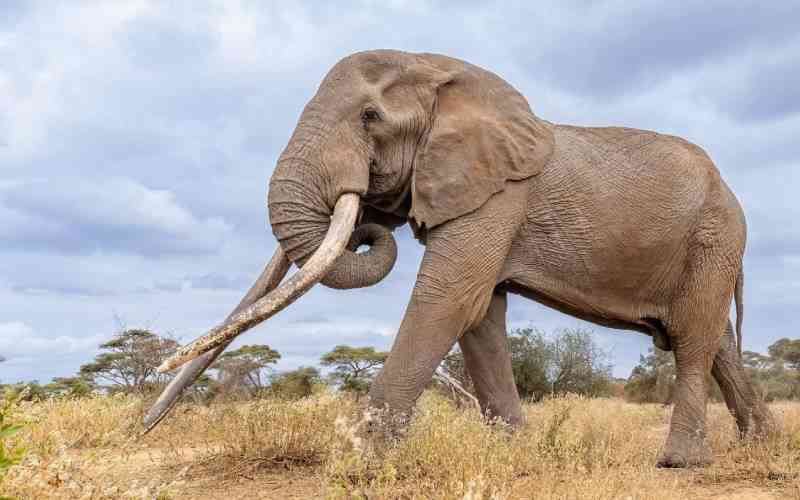
Kenya Wildlife Service (KWS) has begun preserving Craig, Amboseli National Park's legendary super tusker who died on January 3 at 54.The preservation process will allow future generations to view one ofAfrica's last giants.Craig collapsed intermittently before lying down at 3:32 a.m. when he was pronounced dead.Rangers found poorly chewed material in his dung, evidence his final set of molars had worn down, limiting his lifespan.Follow The Standard
channel
on WhatsApp"Craig's life exemplified the success of collective conservation efforts. Through taxidermypreservation, we are ensuring that his legacy endures beyond his lifetime, offering future generations a tangible connection to Kenya's rich wildlife heritage," said Prof. Erustus Kanga, KWS Director General.Born in January 1972 to matriarch Cassandra of the CB family, Craig belonged to a rare class of elephants whose tusks weigh over 45 kilograms each. Only about 20 super tuskers remain in Africa, down from estimates of a few dozen earlier.The preservation process involves meticulous conservation of Craig's skin and physical features to create a lifelike mount for educational, scientific and public exhibition.KWS will announce the location and timeline for public viewing once the process is complete.Craig survived the poaching crises of the 1970s and 1980s when tens of thousands of elephants were killed for ivory, with the largest tuskers targeted first.His calm demeanor made him beloved worldwide, often pausing patiently as visitors photographed him.He became one of the most photographed elephants in Africa.In 2021, East African Breweries Limited (EABL)adopted Craigthrough its Tusker brand, reflecting collaboration between conservation groups and private sector partners in protecting Kenya's wildlife.Kenya's elephant population rose to 42,072 in 2025 from 36,280 in 2021, testament to decades of anti-poaching efforts and community stewardship.However, habitat fragmentation due to human settlements and agricultural expansion remains a key threat.After another famous super tusker, Tim, died in 2020, the Ministry of Tourism allocated Sh46.5 million toerect a statuein his honor at Amboseli National Park.Stay informed. Subscribe to our newsletterBy clicking on theSIGN UPbutton, you agree to ourTerms & Conditionsand thePrivacy PolicySIGN UPTim's remains were taxidermized and preserved at the Nairobi National Museum for exhibition and education purposes.Stay Informed, Stay Empowered: Download the Standard ePaper App!Craig fathered numerous calves during his lifetime, ensuring his genetic lineage continues across Amboseli's elephant population.Follow The Standard
channel
on WhatsApp
The preservation process will allow future generations to view one ofAfrica's last giants.Craig collapsed intermittently before lying down at 3:32 a.m. when he was pronounced dead.Rangers found poorly chewed material in his dung, evidence his final set of molars had worn down, limiting his lifespan.Follow The Standard
channel
on WhatsApp"Craig's life exemplified the success of collective conservation efforts. Through taxidermypreservation, we are ensuring that his legacy endures beyond his lifetime, offering future generations a tangible connection to Kenya's rich wildlife heritage," said Prof. Erustus Kanga, KWS Director General.Born in January 1972 to matriarch Cassandra of the CB family, Craig belonged to a rare class of elephants whose tusks weigh over 45 kilograms each. Only about 20 super tuskers remain in Africa, down from estimates of a few dozen earlier.The preservation process involves meticulous conservation of Craig's skin and physical features to create a lifelike mount for educational, scientific and public exhibition.KWS will announce the location and timeline for public viewing once the process is complete.Craig survived the poaching crises of the 1970s and 1980s when tens of thousands of elephants were killed for ivory, with the largest tuskers targeted first.His calm demeanor made him beloved worldwide, often pausing patiently as visitors photographed him.He became one of the most photographed elephants in Africa.In 2021, East African Breweries Limited (EABL)adopted Craigthrough its Tusker brand, reflecting collaboration between conservation groups and private sector partners in protecting Kenya's wildlife.Kenya's elephant population rose to 42,072 in 2025 from 36,280 in 2021, testament to decades of anti-poaching efforts and community stewardship.However, habitat fragmentation due to human settlements and agricultural expansion remains a key threat.After another famous super tusker, Tim, died in 2020, the Ministry of Tourism allocated Sh46.5 million toerect a statuein his honor at Amboseli National Park.Stay informed. Subscribe to our newsletterBy clicking on theSIGN UPbutton, you agree to ourTerms & Conditionsand thePrivacy PolicySIGN UPTim's remains were taxidermized and preserved at the Nairobi National Museum for exhibition and education purposes.Stay Informed, Stay Empowered: Download the Standard ePaper App!Craig fathered numerous calves during his lifetime, ensuring his genetic lineage continues across Amboseli's elephant population.Follow The Standard
channel
on WhatsApp
Craig collapsed intermittently before lying down at 3:32 a.m. when he was pronounced dead.Rangers found poorly chewed material in his dung, evidence his final set of molars had worn down, limiting his lifespan.Follow The Standard
channel
on WhatsApp"Craig's life exemplified the success of collective conservation efforts. Through taxidermypreservation, we are ensuring that his legacy endures beyond his lifetime, offering future generations a tangible connection to Kenya's rich wildlife heritage," said Prof. Erustus Kanga, KWS Director General.Born in January 1972 to matriarch Cassandra of the CB family, Craig belonged to a rare class of elephants whose tusks weigh over 45 kilograms each. Only about 20 super tuskers remain in Africa, down from estimates of a few dozen earlier.The preservation process involves meticulous conservation of Craig's skin and physical features to create a lifelike mount for educational, scientific and public exhibition.KWS will announce the location and timeline for public viewing once the process is complete.Craig survived the poaching crises of the 1970s and 1980s when tens of thousands of elephants were killed for ivory, with the largest tuskers targeted first.His calm demeanor made him beloved worldwide, often pausing patiently as visitors photographed him.He became one of the most photographed elephants in Africa.In 2021, East African Breweries Limited (EABL)adopted Craigthrough its Tusker brand, reflecting collaboration between conservation groups and private sector partners in protecting Kenya's wildlife.Kenya's elephant population rose to 42,072 in 2025 from 36,280 in 2021, testament to decades of anti-poaching efforts and community stewardship.However, habitat fragmentation due to human settlements and agricultural expansion remains a key threat.After another famous super tusker, Tim, died in 2020, the Ministry of Tourism allocated Sh46.5 million toerect a statuein his honor at Amboseli National Park.Stay informed. Subscribe to our newsletterBy clicking on theSIGN UPbutton, you agree to ourTerms & Conditionsand thePrivacy PolicySIGN UPTim's remains were taxidermized and preserved at the Nairobi National Museum for exhibition and education purposes.Stay Informed, Stay Empowered: Download the Standard ePaper App!Craig fathered numerous calves during his lifetime, ensuring his genetic lineage continues across Amboseli's elephant population.Follow The Standard
channel
on WhatsApp
Rangers found poorly chewed material in his dung, evidence his final set of molars had worn down, limiting his lifespan.Follow The Standard
channel
on WhatsApp"Craig's life exemplified the success of collective conservation efforts. Through taxidermypreservation, we are ensuring that his legacy endures beyond his lifetime, offering future generations a tangible connection to Kenya's rich wildlife heritage," said Prof. Erustus Kanga, KWS Director General.Born in January 1972 to matriarch Cassandra of the CB family, Craig belonged to a rare class of elephants whose tusks weigh over 45 kilograms each. Only about 20 super tuskers remain in Africa, down from estimates of a few dozen earlier.The preservation process involves meticulous conservation of Craig's skin and physical features to create a lifelike mount for educational, scientific and public exhibition.KWS will announce the location and timeline for public viewing once the process is complete.Craig survived the poaching crises of the 1970s and 1980s when tens of thousands of elephants were killed for ivory, with the largest tuskers targeted first.His calm demeanor made him beloved worldwide, often pausing patiently as visitors photographed him.He became one of the most photographed elephants in Africa.In 2021, East African Breweries Limited (EABL)adopted Craigthrough its Tusker brand, reflecting collaboration between conservation groups and private sector partners in protecting Kenya's wildlife.Kenya's elephant population rose to 42,072 in 2025 from 36,280 in 2021, testament to decades of anti-poaching efforts and community stewardship.However, habitat fragmentation due to human settlements and agricultural expansion remains a key threat.After another famous super tusker, Tim, died in 2020, the Ministry of Tourism allocated Sh46.5 million toerect a statuein his honor at Amboseli National Park.Stay informed. Subscribe to our newsletterBy clicking on theSIGN UPbutton, you agree to ourTerms & Conditionsand thePrivacy PolicySIGN UPTim's remains were taxidermized and preserved at the Nairobi National Museum for exhibition and education purposes.Stay Informed, Stay Empowered: Download the Standard ePaper App!Craig fathered numerous calves during his lifetime, ensuring his genetic lineage continues across Amboseli's elephant population.Follow The Standard
channel
on WhatsApp
"Craig's life exemplified the success of collective conservation efforts. Through taxidermypreservation, we are ensuring that his legacy endures beyond his lifetime, offering future generations a tangible connection to Kenya's rich wildlife heritage," said Prof. Erustus Kanga, KWS Director General.Born in January 1972 to matriarch Cassandra of the CB family, Craig belonged to a rare class of elephants whose tusks weigh over 45 kilograms each. Only about 20 super tuskers remain in Africa, down from estimates of a few dozen earlier.The preservation process involves meticulous conservation of Craig's skin and physical features to create a lifelike mount for educational, scientific and public exhibition.KWS will announce the location and timeline for public viewing once the process is complete.Craig survived the poaching crises of the 1970s and 1980s when tens of thousands of elephants were killed for ivory, with the largest tuskers targeted first.His calm demeanor made him beloved worldwide, often pausing patiently as visitors photographed him.He became one of the most photographed elephants in Africa.In 2021, East African Breweries Limited (EABL)adopted Craigthrough its Tusker brand, reflecting collaboration between conservation groups and private sector partners in protecting Kenya's wildlife.Kenya's elephant population rose to 42,072 in 2025 from 36,280 in 2021, testament to decades of anti-poaching efforts and community stewardship.However, habitat fragmentation due to human settlements and agricultural expansion remains a key threat.After another famous super tusker, Tim, died in 2020, the Ministry of Tourism allocated Sh46.5 million toerect a statuein his honor at Amboseli National Park.Stay informed. Subscribe to our newsletterBy clicking on theSIGN UPbutton, you agree to ourTerms & Conditionsand thePrivacy PolicySIGN UPTim's remains were taxidermized and preserved at the Nairobi National Museum for exhibition and education purposes.Stay Informed, Stay Empowered: Download the Standard ePaper App!Craig fathered numerous calves during his lifetime, ensuring his genetic lineage continues across Amboseli's elephant population.Follow The Standard
channel
on WhatsApp
Born in January 1972 to matriarch Cassandra of the CB family, Craig belonged to a rare class of elephants whose tusks weigh over 45 kilograms each. Only about 20 super tuskers remain in Africa, down from estimates of a few dozen earlier.The preservation process involves meticulous conservation of Craig's skin and physical features to create a lifelike mount for educational, scientific and public exhibition.KWS will announce the location and timeline for public viewing once the process is complete.Craig survived the poaching crises of the 1970s and 1980s when tens of thousands of elephants were killed for ivory, with the largest tuskers targeted first.His calm demeanor made him beloved worldwide, often pausing patiently as visitors photographed him.He became one of the most photographed elephants in Africa.In 2021, East African Breweries Limited (EABL)adopted Craigthrough its Tusker brand, reflecting collaboration between conservation groups and private sector partners in protecting Kenya's wildlife.Kenya's elephant population rose to 42,072 in 2025 from 36,280 in 2021, testament to decades of anti-poaching efforts and community stewardship.However, habitat fragmentation due to human settlements and agricultural expansion remains a key threat.After another famous super tusker, Tim, died in 2020, the Ministry of Tourism allocated Sh46.5 million toerect a statuein his honor at Amboseli National Park.Stay informed. Subscribe to our newsletterBy clicking on theSIGN UPbutton, you agree to ourTerms & Conditionsand thePrivacy PolicySIGN UPTim's remains were taxidermized and preserved at the Nairobi National Museum for exhibition and education purposes.Stay Informed, Stay Empowered: Download the Standard ePaper App!Craig fathered numerous calves during his lifetime, ensuring his genetic lineage continues across Amboseli's elephant population.Follow The Standard
channel
on WhatsApp
The preservation process involves meticulous conservation of Craig's skin and physical features to create a lifelike mount for educational, scientific and public exhibition.KWS will announce the location and timeline for public viewing once the process is complete.Craig survived the poaching crises of the 1970s and 1980s when tens of thousands of elephants were killed for ivory, with the largest tuskers targeted first.His calm demeanor made him beloved worldwide, often pausing patiently as visitors photographed him.He became one of the most photographed elephants in Africa.In 2021, East African Breweries Limited (EABL)adopted Craigthrough its Tusker brand, reflecting collaboration between conservation groups and private sector partners in protecting Kenya's wildlife.Kenya's elephant population rose to 42,072 in 2025 from 36,280 in 2021, testament to decades of anti-poaching efforts and community stewardship.However, habitat fragmentation due to human settlements and agricultural expansion remains a key threat.After another famous super tusker, Tim, died in 2020, the Ministry of Tourism allocated Sh46.5 million toerect a statuein his honor at Amboseli National Park.Stay informed. Subscribe to our newsletterBy clicking on theSIGN UPbutton, you agree to ourTerms & Conditionsand thePrivacy PolicySIGN UPTim's remains were taxidermized and preserved at the Nairobi National Museum for exhibition and education purposes.Stay Informed, Stay Empowered: Download the Standard ePaper App!Craig fathered numerous calves during his lifetime, ensuring his genetic lineage continues across Amboseli's elephant population.Follow The Standard
channel
on WhatsApp
KWS will announce the location and timeline for public viewing once the process is complete.Craig survived the poaching crises of the 1970s and 1980s when tens of thousands of elephants were killed for ivory, with the largest tuskers targeted first.His calm demeanor made him beloved worldwide, often pausing patiently as visitors photographed him.He became one of the most photographed elephants in Africa.In 2021, East African Breweries Limited (EABL)adopted Craigthrough its Tusker brand, reflecting collaboration between conservation groups and private sector partners in protecting Kenya's wildlife.Kenya's elephant population rose to 42,072 in 2025 from 36,280 in 2021, testament to decades of anti-poaching efforts and community stewardship.However, habitat fragmentation due to human settlements and agricultural expansion remains a key threat.After another famous super tusker, Tim, died in 2020, the Ministry of Tourism allocated Sh46.5 million toerect a statuein his honor at Amboseli National Park.Stay informed. Subscribe to our newsletterBy clicking on theSIGN UPbutton, you agree to ourTerms & Conditionsand thePrivacy PolicySIGN UPTim's remains were taxidermized and preserved at the Nairobi National Museum for exhibition and education purposes.Stay Informed, Stay Empowered: Download the Standard ePaper App!Craig fathered numerous calves during his lifetime, ensuring his genetic lineage continues across Amboseli's elephant population.Follow The Standard
channel
on WhatsApp
Craig survived the poaching crises of the 1970s and 1980s when tens of thousands of elephants were killed for ivory, with the largest tuskers targeted first.His calm demeanor made him beloved worldwide, often pausing patiently as visitors photographed him.He became one of the most photographed elephants in Africa.In 2021, East African Breweries Limited (EABL)adopted Craigthrough its Tusker brand, reflecting collaboration between conservation groups and private sector partners in protecting Kenya's wildlife.Kenya's elephant population rose to 42,072 in 2025 from 36,280 in 2021, testament to decades of anti-poaching efforts and community stewardship.However, habitat fragmentation due to human settlements and agricultural expansion remains a key threat.After another famous super tusker, Tim, died in 2020, the Ministry of Tourism allocated Sh46.5 million toerect a statuein his honor at Amboseli National Park.Stay informed. Subscribe to our newsletterBy clicking on theSIGN UPbutton, you agree to ourTerms & Conditionsand thePrivacy PolicySIGN UPTim's remains were taxidermized and preserved at the Nairobi National Museum for exhibition and education purposes.Stay Informed, Stay Empowered: Download the Standard ePaper App!Craig fathered numerous calves during his lifetime, ensuring his genetic lineage continues across Amboseli's elephant population.Follow The Standard
channel
on WhatsApp
His calm demeanor made him beloved worldwide, often pausing patiently as visitors photographed him.He became one of the most photographed elephants in Africa.In 2021, East African Breweries Limited (EABL)adopted Craigthrough its Tusker brand, reflecting collaboration between conservation groups and private sector partners in protecting Kenya's wildlife.Kenya's elephant population rose to 42,072 in 2025 from 36,280 in 2021, testament to decades of anti-poaching efforts and community stewardship.However, habitat fragmentation due to human settlements and agricultural expansion remains a key threat.After another famous super tusker, Tim, died in 2020, the Ministry of Tourism allocated Sh46.5 million toerect a statuein his honor at Amboseli National Park.Stay informed. Subscribe to our newsletterBy clicking on theSIGN UPbutton, you agree to ourTerms & Conditionsand thePrivacy PolicySIGN UPTim's remains were taxidermized and preserved at the Nairobi National Museum for exhibition and education purposes.Stay Informed, Stay Empowered: Download the Standard ePaper App!Craig fathered numerous calves during his lifetime, ensuring his genetic lineage continues across Amboseli's elephant population.Follow The Standard
channel
on WhatsApp
He became one of the most photographed elephants in Africa.In 2021, East African Breweries Limited (EABL)adopted Craigthrough its Tusker brand, reflecting collaboration between conservation groups and private sector partners in protecting Kenya's wildlife.Kenya's elephant population rose to 42,072 in 2025 from 36,280 in 2021, testament to decades of anti-poaching efforts and community stewardship.However, habitat fragmentation due to human settlements and agricultural expansion remains a key threat.After another famous super tusker, Tim, died in 2020, the Ministry of Tourism allocated Sh46.5 million toerect a statuein his honor at Amboseli National Park.Stay informed. Subscribe to our newsletterBy clicking on theSIGN UPbutton, you agree to ourTerms & Conditionsand thePrivacy PolicySIGN UPTim's remains were taxidermized and preserved at the Nairobi National Museum for exhibition and education purposes.Stay Informed, Stay Empowered: Download the Standard ePaper App!Craig fathered numerous calves during his lifetime, ensuring his genetic lineage continues across Amboseli's elephant population.Follow The Standard
channel
on WhatsApp
In 2021, East African Breweries Limited (EABL)adopted Craigthrough its Tusker brand, reflecting collaboration between conservation groups and private sector partners in protecting Kenya's wildlife.Kenya's elephant population rose to 42,072 in 2025 from 36,280 in 2021, testament to decades of anti-poaching efforts and community stewardship.However, habitat fragmentation due to human settlements and agricultural expansion remains a key threat.After another famous super tusker, Tim, died in 2020, the Ministry of Tourism allocated Sh46.5 million toerect a statuein his honor at Amboseli National Park.Stay informed. Subscribe to our newsletterBy clicking on theSIGN UPbutton, you agree to ourTerms & Conditionsand thePrivacy PolicySIGN UPTim's remains were taxidermized and preserved at the Nairobi National Museum for exhibition and education purposes.Stay Informed, Stay Empowered: Download the Standard ePaper App!Craig fathered numerous calves during his lifetime, ensuring his genetic lineage continues across Amboseli's elephant population.Follow The Standard
channel
on WhatsApp
Kenya's elephant population rose to 42,072 in 2025 from 36,280 in 2021, testament to decades of anti-poaching efforts and community stewardship.However, habitat fragmentation due to human settlements and agricultural expansion remains a key threat.After another famous super tusker, Tim, died in 2020, the Ministry of Tourism allocated Sh46.5 million toerect a statuein his honor at Amboseli National Park.Stay informed. Subscribe to our newsletterBy clicking on theSIGN UPbutton, you agree to ourTerms & Conditionsand thePrivacy PolicySIGN UPTim's remains were taxidermized and preserved at the Nairobi National Museum for exhibition and education purposes.Stay Informed, Stay Empowered: Download the Standard ePaper App!Craig fathered numerous calves during his lifetime, ensuring his genetic lineage continues across Amboseli's elephant population.Follow The Standard
channel
on WhatsApp
However, habitat fragmentation due to human settlements and agricultural expansion remains a key threat.After another famous super tusker, Tim, died in 2020, the Ministry of Tourism allocated Sh46.5 million toerect a statuein his honor at Amboseli National Park.Stay informed. Subscribe to our newsletterBy clicking on theSIGN UPbutton, you agree to ourTerms & Conditionsand thePrivacy PolicySIGN UPTim's remains were taxidermized and preserved at the Nairobi National Museum for exhibition and education purposes.Stay Informed, Stay Empowered: Download the Standard ePaper App!Craig fathered numerous calves during his lifetime, ensuring his genetic lineage continues across Amboseli's elephant population.Follow The Standard
channel
on WhatsApp
After another famous super tusker, Tim, died in 2020, the Ministry of Tourism allocated Sh46.5 million toerect a statuein his honor at Amboseli National Park.Stay informed. Subscribe to our newsletterBy clicking on theSIGN UPbutton, you agree to ourTerms & Conditionsand thePrivacy PolicySIGN UPTim's remains were taxidermized and preserved at the Nairobi National Museum for exhibition and education purposes.Stay Informed, Stay Empowered: Download the Standard ePaper App!Craig fathered numerous calves during his lifetime, ensuring his genetic lineage continues across Amboseli's elephant population.Follow The Standard
channel
on WhatsApp
Tim's remains were taxidermized and preserved at the Nairobi National Museum for exhibition and education purposes.Stay Informed, Stay Empowered: Download the Standard ePaper App!Craig fathered numerous calves during his lifetime, ensuring his genetic lineage continues across Amboseli's elephant population.Follow The Standard
channel
on WhatsApp
Craig fathered numerous calves during his lifetime, ensuring his genetic lineage continues across Amboseli's elephant population.Follow The Standard
channel
on WhatsApp
Subscribe to our newsletter and stay updated on the latest developments and special
offers!
Pick your favourite topics below for a tailor made homepage just for you