
Kenya trade strategy with Iran at crossroad over Trump's warning
Source: The Standard
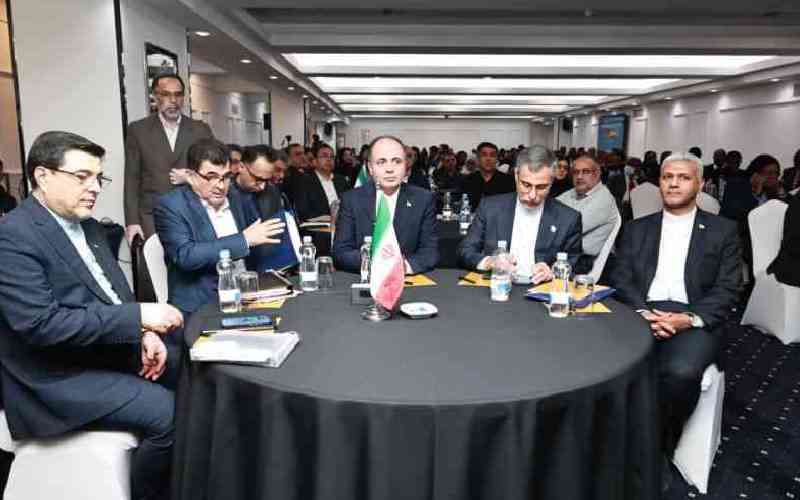
A threat by US President Donald Trump to impose a 25 per cent tariff on any nation trading with Iran has thrown Kenya’s strategic push into the Middle East into disarray, forcing Nairobi to choose between a resurgent tea market and vital access to American consumers.The warning, posted by Trump on his Truth Social platform, targets countries conducting business with the Islamic Republic, terming the order as "final and conclusive."Even though the White House is yet to provide a legal framework for the move, the declaration arrives at a diplomatically sensitive moment for Kenya.Follow The Standard
channel
on WhatsAppTwo months ago, a high-level Kenyan delegation concluded a landmark visit to Tehran. Led by the Agriculture Principal Secretary and the CEO of the Tea Board of Kenya, the mission sought to rejuvenate a historic trade relationship and expand cooperation into technology and agriculture.“The timing could not be more delicate,” said a senior Kenyan government official involved in the trade talks, speaking on condition of anonymity. “We are in the process of reactivating a major export market. This threat introduces a layer of risk that neither traders nor policymakers can ignore.”For Nairobi, the economic choices are tough. The United States remains a critical trade and security partner. Under the African Growth and Opportunity Act (AGOA)—which the US House of Representatives recently voted to extend upto 2028—Kenya enjoys duty-free access for thousands of products.This preferential window is the lifeblood of Kenya’s apparel sector, which supports over 66,000 direct jobs. A blanket 25 per cent tariff on all exports to the US would effectivelyneutralise these benefits.Conversely, Iran represents one of Kenya’s fastest-growing frontier markets.Kenyan exports to Tehran, primarily high-quality black tea, surged to Sh6.8 billion in 2023—a more than four-fold increase over five years. At the same time, Kenya only imported Sh2.4 billion worth of Iranian goods.With a population of 85 million and the second-largest economy in the Middle East, Iran is viewed by Kenya as a premium alternative to traditional European markets.“For our tea farmers, this is a market we are keen to solidify,” said a private sector source who attended the Tehran talks. Beyond commodities, Kenyan officials recently toured the Iran House of Technology and Innovation to explore tech transfers aimed at boosting agricultural productivity.Trump’s use of aggressive tariff policy as a tool of "America First" diplomacy is not new, but the scope of this latest threat has caught emerging markets off guard.Analysts note that Iran has been actively cultivating ties across Africa to offset Western isolation, focusing on food staples and grains; sectors where Kenya has a competitive advantage.The Kenyan government now finds itself walking a geopolitical tightrope. While Washington frames its trade preferences as a tool to contain "malign actors," Nairobi views its trade decisions as a matter of economic sovereignty.Stay informed. Subscribe to our newsletterBy clicking on theSIGN UPbutton, you agree to ourTerms & Conditionsand thePrivacy PolicySIGN UP“Our instructions are to continue implementing the agreed roadmap with Iran, but with heightened awareness,” the government official added. “Ultimately, we are monitoring the US situation closely. Wecannot afford to lose the American market, but we cannot ignore the potential of the East.”Stay Informed, Stay Empowered: Download the Standard ePaper App!Agriculture Cabinet Secretary Mutahi Kagwe recently held high-level talks with Iranian business groups, where the reopening of Iran’s market and the potential for deeper trade ties across the Middle East and Central Asia were central topics.Tehran has in recent years stepped up its drive to boost economic ties with African countries like Kenya to help offset a big chill in relations with the West prompted by its nuclear ambitions.Iran also has the second largest economy in the Middle East after Saudi Arabia.It also has the world’s largest gas reserves and plans to double gas production to 1.3 billion cubic metres per day.Iran has the world’s fourth largest oil reserves (158 billion barrels), equivalent to more than 150 years of production at 2014 extraction rates, according to the 2015 BP Statistical Review of World Energy.And while the oil and gas sector still dominates. Iran has the world’s seventh largest mineral reserves, a large consumer market, a strong industrial manufacturing base significant to agricultural and service sectors.Iran’s main industrial outputs are automobiles, manufactured metals, cement, andprocessed steel and copper.Iran also has one of the most developed healthcare and pharmaceutical sectors in the Middle East.
The warning, posted by Trump on his Truth Social platform, targets countries conducting business with the Islamic Republic, terming the order as "final and conclusive."Even though the White House is yet to provide a legal framework for the move, the declaration arrives at a diplomatically sensitive moment for Kenya.Follow The Standard
channel
on WhatsAppTwo months ago, a high-level Kenyan delegation concluded a landmark visit to Tehran. Led by the Agriculture Principal Secretary and the CEO of the Tea Board of Kenya, the mission sought to rejuvenate a historic trade relationship and expand cooperation into technology and agriculture.“The timing could not be more delicate,” said a senior Kenyan government official involved in the trade talks, speaking on condition of anonymity. “We are in the process of reactivating a major export market. This threat introduces a layer of risk that neither traders nor policymakers can ignore.”For Nairobi, the economic choices are tough. The United States remains a critical trade and security partner. Under the African Growth and Opportunity Act (AGOA)—which the US House of Representatives recently voted to extend upto 2028—Kenya enjoys duty-free access for thousands of products.This preferential window is the lifeblood of Kenya’s apparel sector, which supports over 66,000 direct jobs. A blanket 25 per cent tariff on all exports to the US would effectivelyneutralise these benefits.Conversely, Iran represents one of Kenya’s fastest-growing frontier markets.Kenyan exports to Tehran, primarily high-quality black tea, surged to Sh6.8 billion in 2023—a more than four-fold increase over five years. At the same time, Kenya only imported Sh2.4 billion worth of Iranian goods.With a population of 85 million and the second-largest economy in the Middle East, Iran is viewed by Kenya as a premium alternative to traditional European markets.“For our tea farmers, this is a market we are keen to solidify,” said a private sector source who attended the Tehran talks. Beyond commodities, Kenyan officials recently toured the Iran House of Technology and Innovation to explore tech transfers aimed at boosting agricultural productivity.Trump’s use of aggressive tariff policy as a tool of "America First" diplomacy is not new, but the scope of this latest threat has caught emerging markets off guard.Analysts note that Iran has been actively cultivating ties across Africa to offset Western isolation, focusing on food staples and grains; sectors where Kenya has a competitive advantage.The Kenyan government now finds itself walking a geopolitical tightrope. While Washington frames its trade preferences as a tool to contain "malign actors," Nairobi views its trade decisions as a matter of economic sovereignty.Stay informed. Subscribe to our newsletterBy clicking on theSIGN UPbutton, you agree to ourTerms & Conditionsand thePrivacy PolicySIGN UP“Our instructions are to continue implementing the agreed roadmap with Iran, but with heightened awareness,” the government official added. “Ultimately, we are monitoring the US situation closely. Wecannot afford to lose the American market, but we cannot ignore the potential of the East.”Stay Informed, Stay Empowered: Download the Standard ePaper App!Agriculture Cabinet Secretary Mutahi Kagwe recently held high-level talks with Iranian business groups, where the reopening of Iran’s market and the potential for deeper trade ties across the Middle East and Central Asia were central topics.Tehran has in recent years stepped up its drive to boost economic ties with African countries like Kenya to help offset a big chill in relations with the West prompted by its nuclear ambitions.Iran also has the second largest economy in the Middle East after Saudi Arabia.It also has the world’s largest gas reserves and plans to double gas production to 1.3 billion cubic metres per day.Iran has the world’s fourth largest oil reserves (158 billion barrels), equivalent to more than 150 years of production at 2014 extraction rates, according to the 2015 BP Statistical Review of World Energy.And while the oil and gas sector still dominates. Iran has the world’s seventh largest mineral reserves, a large consumer market, a strong industrial manufacturing base significant to agricultural and service sectors.Iran’s main industrial outputs are automobiles, manufactured metals, cement, andprocessed steel and copper.Iran also has one of the most developed healthcare and pharmaceutical sectors in the Middle East.
Even though the White House is yet to provide a legal framework for the move, the declaration arrives at a diplomatically sensitive moment for Kenya.Follow The Standard
channel
on WhatsAppTwo months ago, a high-level Kenyan delegation concluded a landmark visit to Tehran. Led by the Agriculture Principal Secretary and the CEO of the Tea Board of Kenya, the mission sought to rejuvenate a historic trade relationship and expand cooperation into technology and agriculture.“The timing could not be more delicate,” said a senior Kenyan government official involved in the trade talks, speaking on condition of anonymity. “We are in the process of reactivating a major export market. This threat introduces a layer of risk that neither traders nor policymakers can ignore.”For Nairobi, the economic choices are tough. The United States remains a critical trade and security partner. Under the African Growth and Opportunity Act (AGOA)—which the US House of Representatives recently voted to extend upto 2028—Kenya enjoys duty-free access for thousands of products.This preferential window is the lifeblood of Kenya’s apparel sector, which supports over 66,000 direct jobs. A blanket 25 per cent tariff on all exports to the US would effectivelyneutralise these benefits.Conversely, Iran represents one of Kenya’s fastest-growing frontier markets.Kenyan exports to Tehran, primarily high-quality black tea, surged to Sh6.8 billion in 2023—a more than four-fold increase over five years. At the same time, Kenya only imported Sh2.4 billion worth of Iranian goods.With a population of 85 million and the second-largest economy in the Middle East, Iran is viewed by Kenya as a premium alternative to traditional European markets.“For our tea farmers, this is a market we are keen to solidify,” said a private sector source who attended the Tehran talks. Beyond commodities, Kenyan officials recently toured the Iran House of Technology and Innovation to explore tech transfers aimed at boosting agricultural productivity.Trump’s use of aggressive tariff policy as a tool of "America First" diplomacy is not new, but the scope of this latest threat has caught emerging markets off guard.Analysts note that Iran has been actively cultivating ties across Africa to offset Western isolation, focusing on food staples and grains; sectors where Kenya has a competitive advantage.The Kenyan government now finds itself walking a geopolitical tightrope. While Washington frames its trade preferences as a tool to contain "malign actors," Nairobi views its trade decisions as a matter of economic sovereignty.Stay informed. Subscribe to our newsletterBy clicking on theSIGN UPbutton, you agree to ourTerms & Conditionsand thePrivacy PolicySIGN UP“Our instructions are to continue implementing the agreed roadmap with Iran, but with heightened awareness,” the government official added. “Ultimately, we are monitoring the US situation closely. Wecannot afford to lose the American market, but we cannot ignore the potential of the East.”Stay Informed, Stay Empowered: Download the Standard ePaper App!Agriculture Cabinet Secretary Mutahi Kagwe recently held high-level talks with Iranian business groups, where the reopening of Iran’s market and the potential for deeper trade ties across the Middle East and Central Asia were central topics.Tehran has in recent years stepped up its drive to boost economic ties with African countries like Kenya to help offset a big chill in relations with the West prompted by its nuclear ambitions.Iran also has the second largest economy in the Middle East after Saudi Arabia.It also has the world’s largest gas reserves and plans to double gas production to 1.3 billion cubic metres per day.Iran has the world’s fourth largest oil reserves (158 billion barrels), equivalent to more than 150 years of production at 2014 extraction rates, according to the 2015 BP Statistical Review of World Energy.And while the oil and gas sector still dominates. Iran has the world’s seventh largest mineral reserves, a large consumer market, a strong industrial manufacturing base significant to agricultural and service sectors.Iran’s main industrial outputs are automobiles, manufactured metals, cement, andprocessed steel and copper.Iran also has one of the most developed healthcare and pharmaceutical sectors in the Middle East.
Follow The Standard
channel
on WhatsAppTwo months ago, a high-level Kenyan delegation concluded a landmark visit to Tehran. Led by the Agriculture Principal Secretary and the CEO of the Tea Board of Kenya, the mission sought to rejuvenate a historic trade relationship and expand cooperation into technology and agriculture.“The timing could not be more delicate,” said a senior Kenyan government official involved in the trade talks, speaking on condition of anonymity. “We are in the process of reactivating a major export market. This threat introduces a layer of risk that neither traders nor policymakers can ignore.”For Nairobi, the economic choices are tough. The United States remains a critical trade and security partner. Under the African Growth and Opportunity Act (AGOA)—which the US House of Representatives recently voted to extend upto 2028—Kenya enjoys duty-free access for thousands of products.This preferential window is the lifeblood of Kenya’s apparel sector, which supports over 66,000 direct jobs. A blanket 25 per cent tariff on all exports to the US would effectivelyneutralise these benefits.Conversely, Iran represents one of Kenya’s fastest-growing frontier markets.Kenyan exports to Tehran, primarily high-quality black tea, surged to Sh6.8 billion in 2023—a more than four-fold increase over five years. At the same time, Kenya only imported Sh2.4 billion worth of Iranian goods.With a population of 85 million and the second-largest economy in the Middle East, Iran is viewed by Kenya as a premium alternative to traditional European markets.“For our tea farmers, this is a market we are keen to solidify,” said a private sector source who attended the Tehran talks. Beyond commodities, Kenyan officials recently toured the Iran House of Technology and Innovation to explore tech transfers aimed at boosting agricultural productivity.Trump’s use of aggressive tariff policy as a tool of "America First" diplomacy is not new, but the scope of this latest threat has caught emerging markets off guard.Analysts note that Iran has been actively cultivating ties across Africa to offset Western isolation, focusing on food staples and grains; sectors where Kenya has a competitive advantage.The Kenyan government now finds itself walking a geopolitical tightrope. While Washington frames its trade preferences as a tool to contain "malign actors," Nairobi views its trade decisions as a matter of economic sovereignty.Stay informed. Subscribe to our newsletterBy clicking on theSIGN UPbutton, you agree to ourTerms & Conditionsand thePrivacy PolicySIGN UP“Our instructions are to continue implementing the agreed roadmap with Iran, but with heightened awareness,” the government official added. “Ultimately, we are monitoring the US situation closely. Wecannot afford to lose the American market, but we cannot ignore the potential of the East.”Stay Informed, Stay Empowered: Download the Standard ePaper App!Agriculture Cabinet Secretary Mutahi Kagwe recently held high-level talks with Iranian business groups, where the reopening of Iran’s market and the potential for deeper trade ties across the Middle East and Central Asia were central topics.Tehran has in recent years stepped up its drive to boost economic ties with African countries like Kenya to help offset a big chill in relations with the West prompted by its nuclear ambitions.Iran also has the second largest economy in the Middle East after Saudi Arabia.It also has the world’s largest gas reserves and plans to double gas production to 1.3 billion cubic metres per day.Iran has the world’s fourth largest oil reserves (158 billion barrels), equivalent to more than 150 years of production at 2014 extraction rates, according to the 2015 BP Statistical Review of World Energy.And while the oil and gas sector still dominates. Iran has the world’s seventh largest mineral reserves, a large consumer market, a strong industrial manufacturing base significant to agricultural and service sectors.Iran’s main industrial outputs are automobiles, manufactured metals, cement, andprocessed steel and copper.Iran also has one of the most developed healthcare and pharmaceutical sectors in the Middle East.
Two months ago, a high-level Kenyan delegation concluded a landmark visit to Tehran. Led by the Agriculture Principal Secretary and the CEO of the Tea Board of Kenya, the mission sought to rejuvenate a historic trade relationship and expand cooperation into technology and agriculture.“The timing could not be more delicate,” said a senior Kenyan government official involved in the trade talks, speaking on condition of anonymity. “We are in the process of reactivating a major export market. This threat introduces a layer of risk that neither traders nor policymakers can ignore.”For Nairobi, the economic choices are tough. The United States remains a critical trade and security partner. Under the African Growth and Opportunity Act (AGOA)—which the US House of Representatives recently voted to extend upto 2028—Kenya enjoys duty-free access for thousands of products.This preferential window is the lifeblood of Kenya’s apparel sector, which supports over 66,000 direct jobs. A blanket 25 per cent tariff on all exports to the US would effectivelyneutralise these benefits.Conversely, Iran represents one of Kenya’s fastest-growing frontier markets.Kenyan exports to Tehran, primarily high-quality black tea, surged to Sh6.8 billion in 2023—a more than four-fold increase over five years. At the same time, Kenya only imported Sh2.4 billion worth of Iranian goods.With a population of 85 million and the second-largest economy in the Middle East, Iran is viewed by Kenya as a premium alternative to traditional European markets.“For our tea farmers, this is a market we are keen to solidify,” said a private sector source who attended the Tehran talks. Beyond commodities, Kenyan officials recently toured the Iran House of Technology and Innovation to explore tech transfers aimed at boosting agricultural productivity.Trump’s use of aggressive tariff policy as a tool of "America First" diplomacy is not new, but the scope of this latest threat has caught emerging markets off guard.Analysts note that Iran has been actively cultivating ties across Africa to offset Western isolation, focusing on food staples and grains; sectors where Kenya has a competitive advantage.The Kenyan government now finds itself walking a geopolitical tightrope. While Washington frames its trade preferences as a tool to contain "malign actors," Nairobi views its trade decisions as a matter of economic sovereignty.Stay informed. Subscribe to our newsletterBy clicking on theSIGN UPbutton, you agree to ourTerms & Conditionsand thePrivacy PolicySIGN UP“Our instructions are to continue implementing the agreed roadmap with Iran, but with heightened awareness,” the government official added. “Ultimately, we are monitoring the US situation closely. Wecannot afford to lose the American market, but we cannot ignore the potential of the East.”Stay Informed, Stay Empowered: Download the Standard ePaper App!Agriculture Cabinet Secretary Mutahi Kagwe recently held high-level talks with Iranian business groups, where the reopening of Iran’s market and the potential for deeper trade ties across the Middle East and Central Asia were central topics.Tehran has in recent years stepped up its drive to boost economic ties with African countries like Kenya to help offset a big chill in relations with the West prompted by its nuclear ambitions.Iran also has the second largest economy in the Middle East after Saudi Arabia.It also has the world’s largest gas reserves and plans to double gas production to 1.3 billion cubic metres per day.Iran has the world’s fourth largest oil reserves (158 billion barrels), equivalent to more than 150 years of production at 2014 extraction rates, according to the 2015 BP Statistical Review of World Energy.And while the oil and gas sector still dominates. Iran has the world’s seventh largest mineral reserves, a large consumer market, a strong industrial manufacturing base significant to agricultural and service sectors.Iran’s main industrial outputs are automobiles, manufactured metals, cement, andprocessed steel and copper.Iran also has one of the most developed healthcare and pharmaceutical sectors in the Middle East.
“The timing could not be more delicate,” said a senior Kenyan government official involved in the trade talks, speaking on condition of anonymity. “We are in the process of reactivating a major export market. This threat introduces a layer of risk that neither traders nor policymakers can ignore.”For Nairobi, the economic choices are tough. The United States remains a critical trade and security partner. Under the African Growth and Opportunity Act (AGOA)—which the US House of Representatives recently voted to extend upto 2028—Kenya enjoys duty-free access for thousands of products.This preferential window is the lifeblood of Kenya’s apparel sector, which supports over 66,000 direct jobs. A blanket 25 per cent tariff on all exports to the US would effectivelyneutralise these benefits.Conversely, Iran represents one of Kenya’s fastest-growing frontier markets.Kenyan exports to Tehran, primarily high-quality black tea, surged to Sh6.8 billion in 2023—a more than four-fold increase over five years. At the same time, Kenya only imported Sh2.4 billion worth of Iranian goods.With a population of 85 million and the second-largest economy in the Middle East, Iran is viewed by Kenya as a premium alternative to traditional European markets.“For our tea farmers, this is a market we are keen to solidify,” said a private sector source who attended the Tehran talks. Beyond commodities, Kenyan officials recently toured the Iran House of Technology and Innovation to explore tech transfers aimed at boosting agricultural productivity.Trump’s use of aggressive tariff policy as a tool of "America First" diplomacy is not new, but the scope of this latest threat has caught emerging markets off guard.Analysts note that Iran has been actively cultivating ties across Africa to offset Western isolation, focusing on food staples and grains; sectors where Kenya has a competitive advantage.The Kenyan government now finds itself walking a geopolitical tightrope. While Washington frames its trade preferences as a tool to contain "malign actors," Nairobi views its trade decisions as a matter of economic sovereignty.Stay informed. Subscribe to our newsletterBy clicking on theSIGN UPbutton, you agree to ourTerms & Conditionsand thePrivacy PolicySIGN UP“Our instructions are to continue implementing the agreed roadmap with Iran, but with heightened awareness,” the government official added. “Ultimately, we are monitoring the US situation closely. Wecannot afford to lose the American market, but we cannot ignore the potential of the East.”Stay Informed, Stay Empowered: Download the Standard ePaper App!Agriculture Cabinet Secretary Mutahi Kagwe recently held high-level talks with Iranian business groups, where the reopening of Iran’s market and the potential for deeper trade ties across the Middle East and Central Asia were central topics.Tehran has in recent years stepped up its drive to boost economic ties with African countries like Kenya to help offset a big chill in relations with the West prompted by its nuclear ambitions.Iran also has the second largest economy in the Middle East after Saudi Arabia.It also has the world’s largest gas reserves and plans to double gas production to 1.3 billion cubic metres per day.Iran has the world’s fourth largest oil reserves (158 billion barrels), equivalent to more than 150 years of production at 2014 extraction rates, according to the 2015 BP Statistical Review of World Energy.And while the oil and gas sector still dominates. Iran has the world’s seventh largest mineral reserves, a large consumer market, a strong industrial manufacturing base significant to agricultural and service sectors.Iran’s main industrial outputs are automobiles, manufactured metals, cement, andprocessed steel and copper.Iran also has one of the most developed healthcare and pharmaceutical sectors in the Middle East.
For Nairobi, the economic choices are tough. The United States remains a critical trade and security partner. Under the African Growth and Opportunity Act (AGOA)—which the US House of Representatives recently voted to extend upto 2028—Kenya enjoys duty-free access for thousands of products.This preferential window is the lifeblood of Kenya’s apparel sector, which supports over 66,000 direct jobs. A blanket 25 per cent tariff on all exports to the US would effectivelyneutralise these benefits.Conversely, Iran represents one of Kenya’s fastest-growing frontier markets.Kenyan exports to Tehran, primarily high-quality black tea, surged to Sh6.8 billion in 2023—a more than four-fold increase over five years. At the same time, Kenya only imported Sh2.4 billion worth of Iranian goods.With a population of 85 million and the second-largest economy in the Middle East, Iran is viewed by Kenya as a premium alternative to traditional European markets.“For our tea farmers, this is a market we are keen to solidify,” said a private sector source who attended the Tehran talks. Beyond commodities, Kenyan officials recently toured the Iran House of Technology and Innovation to explore tech transfers aimed at boosting agricultural productivity.Trump’s use of aggressive tariff policy as a tool of "America First" diplomacy is not new, but the scope of this latest threat has caught emerging markets off guard.Analysts note that Iran has been actively cultivating ties across Africa to offset Western isolation, focusing on food staples and grains; sectors where Kenya has a competitive advantage.The Kenyan government now finds itself walking a geopolitical tightrope. While Washington frames its trade preferences as a tool to contain "malign actors," Nairobi views its trade decisions as a matter of economic sovereignty.Stay informed. Subscribe to our newsletterBy clicking on theSIGN UPbutton, you agree to ourTerms & Conditionsand thePrivacy PolicySIGN UP“Our instructions are to continue implementing the agreed roadmap with Iran, but with heightened awareness,” the government official added. “Ultimately, we are monitoring the US situation closely. Wecannot afford to lose the American market, but we cannot ignore the potential of the East.”Stay Informed, Stay Empowered: Download the Standard ePaper App!Agriculture Cabinet Secretary Mutahi Kagwe recently held high-level talks with Iranian business groups, where the reopening of Iran’s market and the potential for deeper trade ties across the Middle East and Central Asia were central topics.Tehran has in recent years stepped up its drive to boost economic ties with African countries like Kenya to help offset a big chill in relations with the West prompted by its nuclear ambitions.Iran also has the second largest economy in the Middle East after Saudi Arabia.It also has the world’s largest gas reserves and plans to double gas production to 1.3 billion cubic metres per day.Iran has the world’s fourth largest oil reserves (158 billion barrels), equivalent to more than 150 years of production at 2014 extraction rates, according to the 2015 BP Statistical Review of World Energy.And while the oil and gas sector still dominates. Iran has the world’s seventh largest mineral reserves, a large consumer market, a strong industrial manufacturing base significant to agricultural and service sectors.Iran’s main industrial outputs are automobiles, manufactured metals, cement, andprocessed steel and copper.Iran also has one of the most developed healthcare and pharmaceutical sectors in the Middle East.
This preferential window is the lifeblood of Kenya’s apparel sector, which supports over 66,000 direct jobs. A blanket 25 per cent tariff on all exports to the US would effectivelyneutralise these benefits.Conversely, Iran represents one of Kenya’s fastest-growing frontier markets.Kenyan exports to Tehran, primarily high-quality black tea, surged to Sh6.8 billion in 2023—a more than four-fold increase over five years. At the same time, Kenya only imported Sh2.4 billion worth of Iranian goods.With a population of 85 million and the second-largest economy in the Middle East, Iran is viewed by Kenya as a premium alternative to traditional European markets.“For our tea farmers, this is a market we are keen to solidify,” said a private sector source who attended the Tehran talks. Beyond commodities, Kenyan officials recently toured the Iran House of Technology and Innovation to explore tech transfers aimed at boosting agricultural productivity.Trump’s use of aggressive tariff policy as a tool of "America First" diplomacy is not new, but the scope of this latest threat has caught emerging markets off guard.Analysts note that Iran has been actively cultivating ties across Africa to offset Western isolation, focusing on food staples and grains; sectors where Kenya has a competitive advantage.The Kenyan government now finds itself walking a geopolitical tightrope. While Washington frames its trade preferences as a tool to contain "malign actors," Nairobi views its trade decisions as a matter of economic sovereignty.Stay informed. Subscribe to our newsletterBy clicking on theSIGN UPbutton, you agree to ourTerms & Conditionsand thePrivacy PolicySIGN UP“Our instructions are to continue implementing the agreed roadmap with Iran, but with heightened awareness,” the government official added. “Ultimately, we are monitoring the US situation closely. Wecannot afford to lose the American market, but we cannot ignore the potential of the East.”Stay Informed, Stay Empowered: Download the Standard ePaper App!Agriculture Cabinet Secretary Mutahi Kagwe recently held high-level talks with Iranian business groups, where the reopening of Iran’s market and the potential for deeper trade ties across the Middle East and Central Asia were central topics.Tehran has in recent years stepped up its drive to boost economic ties with African countries like Kenya to help offset a big chill in relations with the West prompted by its nuclear ambitions.Iran also has the second largest economy in the Middle East after Saudi Arabia.It also has the world’s largest gas reserves and plans to double gas production to 1.3 billion cubic metres per day.Iran has the world’s fourth largest oil reserves (158 billion barrels), equivalent to more than 150 years of production at 2014 extraction rates, according to the 2015 BP Statistical Review of World Energy.And while the oil and gas sector still dominates. Iran has the world’s seventh largest mineral reserves, a large consumer market, a strong industrial manufacturing base significant to agricultural and service sectors.Iran’s main industrial outputs are automobiles, manufactured metals, cement, andprocessed steel and copper.Iran also has one of the most developed healthcare and pharmaceutical sectors in the Middle East.
Conversely, Iran represents one of Kenya’s fastest-growing frontier markets.Kenyan exports to Tehran, primarily high-quality black tea, surged to Sh6.8 billion in 2023—a more than four-fold increase over five years. At the same time, Kenya only imported Sh2.4 billion worth of Iranian goods.With a population of 85 million and the second-largest economy in the Middle East, Iran is viewed by Kenya as a premium alternative to traditional European markets.“For our tea farmers, this is a market we are keen to solidify,” said a private sector source who attended the Tehran talks. Beyond commodities, Kenyan officials recently toured the Iran House of Technology and Innovation to explore tech transfers aimed at boosting agricultural productivity.Trump’s use of aggressive tariff policy as a tool of "America First" diplomacy is not new, but the scope of this latest threat has caught emerging markets off guard.Analysts note that Iran has been actively cultivating ties across Africa to offset Western isolation, focusing on food staples and grains; sectors where Kenya has a competitive advantage.The Kenyan government now finds itself walking a geopolitical tightrope. While Washington frames its trade preferences as a tool to contain "malign actors," Nairobi views its trade decisions as a matter of economic sovereignty.Stay informed. Subscribe to our newsletterBy clicking on theSIGN UPbutton, you agree to ourTerms & Conditionsand thePrivacy PolicySIGN UP“Our instructions are to continue implementing the agreed roadmap with Iran, but with heightened awareness,” the government official added. “Ultimately, we are monitoring the US situation closely. Wecannot afford to lose the American market, but we cannot ignore the potential of the East.”Stay Informed, Stay Empowered: Download the Standard ePaper App!Agriculture Cabinet Secretary Mutahi Kagwe recently held high-level talks with Iranian business groups, where the reopening of Iran’s market and the potential for deeper trade ties across the Middle East and Central Asia were central topics.Tehran has in recent years stepped up its drive to boost economic ties with African countries like Kenya to help offset a big chill in relations with the West prompted by its nuclear ambitions.Iran also has the second largest economy in the Middle East after Saudi Arabia.It also has the world’s largest gas reserves and plans to double gas production to 1.3 billion cubic metres per day.Iran has the world’s fourth largest oil reserves (158 billion barrels), equivalent to more than 150 years of production at 2014 extraction rates, according to the 2015 BP Statistical Review of World Energy.And while the oil and gas sector still dominates. Iran has the world’s seventh largest mineral reserves, a large consumer market, a strong industrial manufacturing base significant to agricultural and service sectors.Iran’s main industrial outputs are automobiles, manufactured metals, cement, andprocessed steel and copper.Iran also has one of the most developed healthcare and pharmaceutical sectors in the Middle East.
Kenyan exports to Tehran, primarily high-quality black tea, surged to Sh6.8 billion in 2023—a more than four-fold increase over five years. At the same time, Kenya only imported Sh2.4 billion worth of Iranian goods.With a population of 85 million and the second-largest economy in the Middle East, Iran is viewed by Kenya as a premium alternative to traditional European markets.“For our tea farmers, this is a market we are keen to solidify,” said a private sector source who attended the Tehran talks. Beyond commodities, Kenyan officials recently toured the Iran House of Technology and Innovation to explore tech transfers aimed at boosting agricultural productivity.Trump’s use of aggressive tariff policy as a tool of "America First" diplomacy is not new, but the scope of this latest threat has caught emerging markets off guard.Analysts note that Iran has been actively cultivating ties across Africa to offset Western isolation, focusing on food staples and grains; sectors where Kenya has a competitive advantage.The Kenyan government now finds itself walking a geopolitical tightrope. While Washington frames its trade preferences as a tool to contain "malign actors," Nairobi views its trade decisions as a matter of economic sovereignty.Stay informed. Subscribe to our newsletterBy clicking on theSIGN UPbutton, you agree to ourTerms & Conditionsand thePrivacy PolicySIGN UP“Our instructions are to continue implementing the agreed roadmap with Iran, but with heightened awareness,” the government official added. “Ultimately, we are monitoring the US situation closely. Wecannot afford to lose the American market, but we cannot ignore the potential of the East.”Stay Informed, Stay Empowered: Download the Standard ePaper App!Agriculture Cabinet Secretary Mutahi Kagwe recently held high-level talks with Iranian business groups, where the reopening of Iran’s market and the potential for deeper trade ties across the Middle East and Central Asia were central topics.Tehran has in recent years stepped up its drive to boost economic ties with African countries like Kenya to help offset a big chill in relations with the West prompted by its nuclear ambitions.Iran also has the second largest economy in the Middle East after Saudi Arabia.It also has the world’s largest gas reserves and plans to double gas production to 1.3 billion cubic metres per day.Iran has the world’s fourth largest oil reserves (158 billion barrels), equivalent to more than 150 years of production at 2014 extraction rates, according to the 2015 BP Statistical Review of World Energy.And while the oil and gas sector still dominates. Iran has the world’s seventh largest mineral reserves, a large consumer market, a strong industrial manufacturing base significant to agricultural and service sectors.Iran’s main industrial outputs are automobiles, manufactured metals, cement, andprocessed steel and copper.Iran also has one of the most developed healthcare and pharmaceutical sectors in the Middle East.
With a population of 85 million and the second-largest economy in the Middle East, Iran is viewed by Kenya as a premium alternative to traditional European markets.“For our tea farmers, this is a market we are keen to solidify,” said a private sector source who attended the Tehran talks. Beyond commodities, Kenyan officials recently toured the Iran House of Technology and Innovation to explore tech transfers aimed at boosting agricultural productivity.Trump’s use of aggressive tariff policy as a tool of "America First" diplomacy is not new, but the scope of this latest threat has caught emerging markets off guard.Analysts note that Iran has been actively cultivating ties across Africa to offset Western isolation, focusing on food staples and grains; sectors where Kenya has a competitive advantage.The Kenyan government now finds itself walking a geopolitical tightrope. While Washington frames its trade preferences as a tool to contain "malign actors," Nairobi views its trade decisions as a matter of economic sovereignty.Stay informed. Subscribe to our newsletterBy clicking on theSIGN UPbutton, you agree to ourTerms & Conditionsand thePrivacy PolicySIGN UP“Our instructions are to continue implementing the agreed roadmap with Iran, but with heightened awareness,” the government official added. “Ultimately, we are monitoring the US situation closely. Wecannot afford to lose the American market, but we cannot ignore the potential of the East.”Stay Informed, Stay Empowered: Download the Standard ePaper App!Agriculture Cabinet Secretary Mutahi Kagwe recently held high-level talks with Iranian business groups, where the reopening of Iran’s market and the potential for deeper trade ties across the Middle East and Central Asia were central topics.Tehran has in recent years stepped up its drive to boost economic ties with African countries like Kenya to help offset a big chill in relations with the West prompted by its nuclear ambitions.Iran also has the second largest economy in the Middle East after Saudi Arabia.It also has the world’s largest gas reserves and plans to double gas production to 1.3 billion cubic metres per day.Iran has the world’s fourth largest oil reserves (158 billion barrels), equivalent to more than 150 years of production at 2014 extraction rates, according to the 2015 BP Statistical Review of World Energy.And while the oil and gas sector still dominates. Iran has the world’s seventh largest mineral reserves, a large consumer market, a strong industrial manufacturing base significant to agricultural and service sectors.Iran’s main industrial outputs are automobiles, manufactured metals, cement, andprocessed steel and copper.Iran also has one of the most developed healthcare and pharmaceutical sectors in the Middle East.
“For our tea farmers, this is a market we are keen to solidify,” said a private sector source who attended the Tehran talks. Beyond commodities, Kenyan officials recently toured the Iran House of Technology and Innovation to explore tech transfers aimed at boosting agricultural productivity.Trump’s use of aggressive tariff policy as a tool of "America First" diplomacy is not new, but the scope of this latest threat has caught emerging markets off guard.Analysts note that Iran has been actively cultivating ties across Africa to offset Western isolation, focusing on food staples and grains; sectors where Kenya has a competitive advantage.The Kenyan government now finds itself walking a geopolitical tightrope. While Washington frames its trade preferences as a tool to contain "malign actors," Nairobi views its trade decisions as a matter of economic sovereignty.Stay informed. Subscribe to our newsletterBy clicking on theSIGN UPbutton, you agree to ourTerms & Conditionsand thePrivacy PolicySIGN UP“Our instructions are to continue implementing the agreed roadmap with Iran, but with heightened awareness,” the government official added. “Ultimately, we are monitoring the US situation closely. Wecannot afford to lose the American market, but we cannot ignore the potential of the East.”Stay Informed, Stay Empowered: Download the Standard ePaper App!Agriculture Cabinet Secretary Mutahi Kagwe recently held high-level talks with Iranian business groups, where the reopening of Iran’s market and the potential for deeper trade ties across the Middle East and Central Asia were central topics.Tehran has in recent years stepped up its drive to boost economic ties with African countries like Kenya to help offset a big chill in relations with the West prompted by its nuclear ambitions.Iran also has the second largest economy in the Middle East after Saudi Arabia.It also has the world’s largest gas reserves and plans to double gas production to 1.3 billion cubic metres per day.Iran has the world’s fourth largest oil reserves (158 billion barrels), equivalent to more than 150 years of production at 2014 extraction rates, according to the 2015 BP Statistical Review of World Energy.And while the oil and gas sector still dominates. Iran has the world’s seventh largest mineral reserves, a large consumer market, a strong industrial manufacturing base significant to agricultural and service sectors.Iran’s main industrial outputs are automobiles, manufactured metals, cement, andprocessed steel and copper.Iran also has one of the most developed healthcare and pharmaceutical sectors in the Middle East.
Trump’s use of aggressive tariff policy as a tool of "America First" diplomacy is not new, but the scope of this latest threat has caught emerging markets off guard.Analysts note that Iran has been actively cultivating ties across Africa to offset Western isolation, focusing on food staples and grains; sectors where Kenya has a competitive advantage.The Kenyan government now finds itself walking a geopolitical tightrope. While Washington frames its trade preferences as a tool to contain "malign actors," Nairobi views its trade decisions as a matter of economic sovereignty.Stay informed. Subscribe to our newsletterBy clicking on theSIGN UPbutton, you agree to ourTerms & Conditionsand thePrivacy PolicySIGN UP“Our instructions are to continue implementing the agreed roadmap with Iran, but with heightened awareness,” the government official added. “Ultimately, we are monitoring the US situation closely. Wecannot afford to lose the American market, but we cannot ignore the potential of the East.”Stay Informed, Stay Empowered: Download the Standard ePaper App!Agriculture Cabinet Secretary Mutahi Kagwe recently held high-level talks with Iranian business groups, where the reopening of Iran’s market and the potential for deeper trade ties across the Middle East and Central Asia were central topics.Tehran has in recent years stepped up its drive to boost economic ties with African countries like Kenya to help offset a big chill in relations with the West prompted by its nuclear ambitions.Iran also has the second largest economy in the Middle East after Saudi Arabia.It also has the world’s largest gas reserves and plans to double gas production to 1.3 billion cubic metres per day.Iran has the world’s fourth largest oil reserves (158 billion barrels), equivalent to more than 150 years of production at 2014 extraction rates, according to the 2015 BP Statistical Review of World Energy.And while the oil and gas sector still dominates. Iran has the world’s seventh largest mineral reserves, a large consumer market, a strong industrial manufacturing base significant to agricultural and service sectors.Iran’s main industrial outputs are automobiles, manufactured metals, cement, andprocessed steel and copper.Iran also has one of the most developed healthcare and pharmaceutical sectors in the Middle East.
Analysts note that Iran has been actively cultivating ties across Africa to offset Western isolation, focusing on food staples and grains; sectors where Kenya has a competitive advantage.The Kenyan government now finds itself walking a geopolitical tightrope. While Washington frames its trade preferences as a tool to contain "malign actors," Nairobi views its trade decisions as a matter of economic sovereignty.Stay informed. Subscribe to our newsletterBy clicking on theSIGN UPbutton, you agree to ourTerms & Conditionsand thePrivacy PolicySIGN UP“Our instructions are to continue implementing the agreed roadmap with Iran, but with heightened awareness,” the government official added. “Ultimately, we are monitoring the US situation closely. Wecannot afford to lose the American market, but we cannot ignore the potential of the East.”Stay Informed, Stay Empowered: Download the Standard ePaper App!Agriculture Cabinet Secretary Mutahi Kagwe recently held high-level talks with Iranian business groups, where the reopening of Iran’s market and the potential for deeper trade ties across the Middle East and Central Asia were central topics.Tehran has in recent years stepped up its drive to boost economic ties with African countries like Kenya to help offset a big chill in relations with the West prompted by its nuclear ambitions.Iran also has the second largest economy in the Middle East after Saudi Arabia.It also has the world’s largest gas reserves and plans to double gas production to 1.3 billion cubic metres per day.Iran has the world’s fourth largest oil reserves (158 billion barrels), equivalent to more than 150 years of production at 2014 extraction rates, according to the 2015 BP Statistical Review of World Energy.And while the oil and gas sector still dominates. Iran has the world’s seventh largest mineral reserves, a large consumer market, a strong industrial manufacturing base significant to agricultural and service sectors.Iran’s main industrial outputs are automobiles, manufactured metals, cement, andprocessed steel and copper.Iran also has one of the most developed healthcare and pharmaceutical sectors in the Middle East.
The Kenyan government now finds itself walking a geopolitical tightrope. While Washington frames its trade preferences as a tool to contain "malign actors," Nairobi views its trade decisions as a matter of economic sovereignty.Stay informed. Subscribe to our newsletterBy clicking on theSIGN UPbutton, you agree to ourTerms & Conditionsand thePrivacy PolicySIGN UP“Our instructions are to continue implementing the agreed roadmap with Iran, but with heightened awareness,” the government official added. “Ultimately, we are monitoring the US situation closely. Wecannot afford to lose the American market, but we cannot ignore the potential of the East.”Stay Informed, Stay Empowered: Download the Standard ePaper App!Agriculture Cabinet Secretary Mutahi Kagwe recently held high-level talks with Iranian business groups, where the reopening of Iran’s market and the potential for deeper trade ties across the Middle East and Central Asia were central topics.Tehran has in recent years stepped up its drive to boost economic ties with African countries like Kenya to help offset a big chill in relations with the West prompted by its nuclear ambitions.Iran also has the second largest economy in the Middle East after Saudi Arabia.It also has the world’s largest gas reserves and plans to double gas production to 1.3 billion cubic metres per day.Iran has the world’s fourth largest oil reserves (158 billion barrels), equivalent to more than 150 years of production at 2014 extraction rates, according to the 2015 BP Statistical Review of World Energy.And while the oil and gas sector still dominates. Iran has the world’s seventh largest mineral reserves, a large consumer market, a strong industrial manufacturing base significant to agricultural and service sectors.Iran’s main industrial outputs are automobiles, manufactured metals, cement, andprocessed steel and copper.Iran also has one of the most developed healthcare and pharmaceutical sectors in the Middle East.
“Our instructions are to continue implementing the agreed roadmap with Iran, but with heightened awareness,” the government official added. “Ultimately, we are monitoring the US situation closely. Wecannot afford to lose the American market, but we cannot ignore the potential of the East.”Stay Informed, Stay Empowered: Download the Standard ePaper App!Agriculture Cabinet Secretary Mutahi Kagwe recently held high-level talks with Iranian business groups, where the reopening of Iran’s market and the potential for deeper trade ties across the Middle East and Central Asia were central topics.Tehran has in recent years stepped up its drive to boost economic ties with African countries like Kenya to help offset a big chill in relations with the West prompted by its nuclear ambitions.Iran also has the second largest economy in the Middle East after Saudi Arabia.It also has the world’s largest gas reserves and plans to double gas production to 1.3 billion cubic metres per day.Iran has the world’s fourth largest oil reserves (158 billion barrels), equivalent to more than 150 years of production at 2014 extraction rates, according to the 2015 BP Statistical Review of World Energy.And while the oil and gas sector still dominates. Iran has the world’s seventh largest mineral reserves, a large consumer market, a strong industrial manufacturing base significant to agricultural and service sectors.Iran’s main industrial outputs are automobiles, manufactured metals, cement, andprocessed steel and copper.Iran also has one of the most developed healthcare and pharmaceutical sectors in the Middle East.
Agriculture Cabinet Secretary Mutahi Kagwe recently held high-level talks with Iranian business groups, where the reopening of Iran’s market and the potential for deeper trade ties across the Middle East and Central Asia were central topics.Tehran has in recent years stepped up its drive to boost economic ties with African countries like Kenya to help offset a big chill in relations with the West prompted by its nuclear ambitions.Iran also has the second largest economy in the Middle East after Saudi Arabia.It also has the world’s largest gas reserves and plans to double gas production to 1.3 billion cubic metres per day.Iran has the world’s fourth largest oil reserves (158 billion barrels), equivalent to more than 150 years of production at 2014 extraction rates, according to the 2015 BP Statistical Review of World Energy.And while the oil and gas sector still dominates. Iran has the world’s seventh largest mineral reserves, a large consumer market, a strong industrial manufacturing base significant to agricultural and service sectors.Iran’s main industrial outputs are automobiles, manufactured metals, cement, andprocessed steel and copper.Iran also has one of the most developed healthcare and pharmaceutical sectors in the Middle East.
Tehran has in recent years stepped up its drive to boost economic ties with African countries like Kenya to help offset a big chill in relations with the West prompted by its nuclear ambitions.Iran also has the second largest economy in the Middle East after Saudi Arabia.It also has the world’s largest gas reserves and plans to double gas production to 1.3 billion cubic metres per day.Iran has the world’s fourth largest oil reserves (158 billion barrels), equivalent to more than 150 years of production at 2014 extraction rates, according to the 2015 BP Statistical Review of World Energy.And while the oil and gas sector still dominates. Iran has the world’s seventh largest mineral reserves, a large consumer market, a strong industrial manufacturing base significant to agricultural and service sectors.Iran’s main industrial outputs are automobiles, manufactured metals, cement, andprocessed steel and copper.Iran also has one of the most developed healthcare and pharmaceutical sectors in the Middle East.
Iran also has the second largest economy in the Middle East after Saudi Arabia.It also has the world’s largest gas reserves and plans to double gas production to 1.3 billion cubic metres per day.Iran has the world’s fourth largest oil reserves (158 billion barrels), equivalent to more than 150 years of production at 2014 extraction rates, according to the 2015 BP Statistical Review of World Energy.And while the oil and gas sector still dominates. Iran has the world’s seventh largest mineral reserves, a large consumer market, a strong industrial manufacturing base significant to agricultural and service sectors.Iran’s main industrial outputs are automobiles, manufactured metals, cement, andprocessed steel and copper.Iran also has one of the most developed healthcare and pharmaceutical sectors in the Middle East.
It also has the world’s largest gas reserves and plans to double gas production to 1.3 billion cubic metres per day.Iran has the world’s fourth largest oil reserves (158 billion barrels), equivalent to more than 150 years of production at 2014 extraction rates, according to the 2015 BP Statistical Review of World Energy.And while the oil and gas sector still dominates. Iran has the world’s seventh largest mineral reserves, a large consumer market, a strong industrial manufacturing base significant to agricultural and service sectors.Iran’s main industrial outputs are automobiles, manufactured metals, cement, andprocessed steel and copper.Iran also has one of the most developed healthcare and pharmaceutical sectors in the Middle East.
Iran has the world’s fourth largest oil reserves (158 billion barrels), equivalent to more than 150 years of production at 2014 extraction rates, according to the 2015 BP Statistical Review of World Energy.And while the oil and gas sector still dominates. Iran has the world’s seventh largest mineral reserves, a large consumer market, a strong industrial manufacturing base significant to agricultural and service sectors.Iran’s main industrial outputs are automobiles, manufactured metals, cement, andprocessed steel and copper.Iran also has one of the most developed healthcare and pharmaceutical sectors in the Middle East.
And while the oil and gas sector still dominates. Iran has the world’s seventh largest mineral reserves, a large consumer market, a strong industrial manufacturing base significant to agricultural and service sectors.Iran’s main industrial outputs are automobiles, manufactured metals, cement, andprocessed steel and copper.Iran also has one of the most developed healthcare and pharmaceutical sectors in the Middle East.
Iran’s main industrial outputs are automobiles, manufactured metals, cement, andprocessed steel and copper.Iran also has one of the most developed healthcare and pharmaceutical sectors in the Middle East.
Iran also has one of the most developed healthcare and pharmaceutical sectors in the Middle East.
Subscribe to our newsletter and stay updated on the latest developments and special
offers!
Pick your favourite topics below for a tailor made homepage just for you