
Govt to Roll Out Kenya’s First Locally Manufactured Vaccine in 2027
Source: Kenyans.co.ke
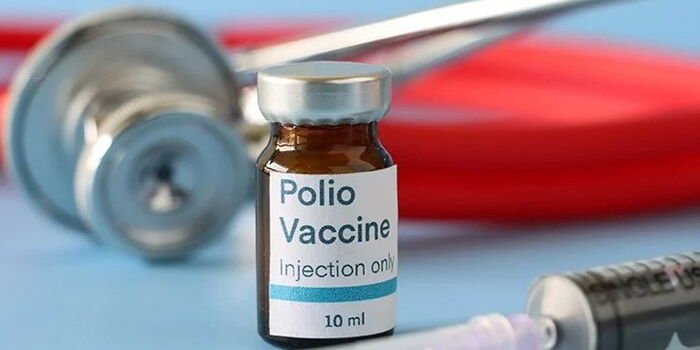
Kenya could be set for its first locally manufactured vaccine, with the government announcing plans for a rollout by 2027.
Health cabinet secretary Aden Duale announced this milestone on Monday, January 12, after holding a strategic engagement meeting with the Board and senior management of the Kenya BioVax Institute.
During the engagement,the CS reviewed the progress of the vaccine manufacturing programme. He said the initiative is a key pillar of the country's universal health coverage (UHC) agenda that is aimed at strengthening access to affordable and reliable vaccines.
"The visit reviewed key milestones, including progress towards Kenya's first locally manufactured vaccine trial batch, scheduled for release by the end of 202," Duale said in a statement on his social media accounts.
The CS confirmed that the first phase of the manufacturing facility has been completed, noting that the government fully financed this initial stage of the project.
He confirmed the project had now entered its second phase, which will focus on systems integration and installation of equipment that includes fill and finish technology required for vaccine production.
Kenya has been in the transition from being a vaccine consumer to a manufacturer, which led tothe establishment of the Kenya BioVax institute in 2021 following the outbreak of the COVID-19 virus. The government is now aiming to achieve this by releasing its first-ever vaccine in 2027.
The Health CS also highlighted Kenya's attainment of World Health Organisation (WHO) Maturity Level 3, a regulatory milestone achieved with the support of the Pharmacy and Poisons Board and the National Quality Control Laboratory.
According to Duale, the status enables local pharmaceutical manufacturing. Also, it enhances global confidence in Kenya's regulatory systems, positioning the country as a potential regional hub for vaccine and pharmaceutical production.
He said Kenya's gains had been strengthened through strategic partnerships,notably from the World Bank under the Regional Health Emergency Preparedness, Response and Resilience (HEPRRP) programme, which is designed to enhance healthcare systems, expand pharmaceutical capacity, and improve national emergency preparedness.
During an interactive session with staff at the Institute, Duale emphasised the importance of transparency and accountability in public service, noting that the values were critical to delivering people-centred healthcare.
Once operational, the Institute is expected to reduce Kenya's reliance on imported vaccines, strengthen health security, and support economic growth in line with the government's Bottom-Up Economic Transformation Agenda (BETA).