
Cooperative University Gets Approval for KSh 6.45 Billion Solar Plant Project
Source: Kenyans.co.ke
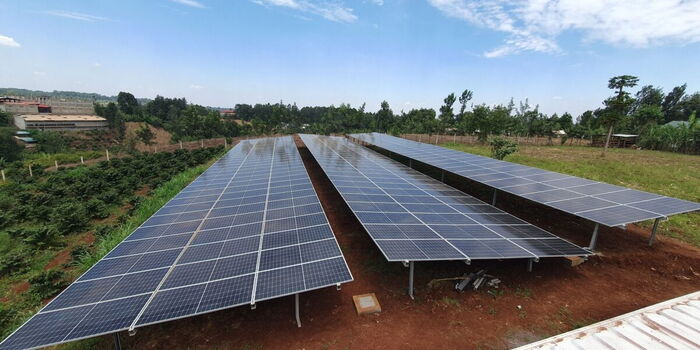
The Cooperative University of Kenya has announced plans to generate 40 megawatts of electricity for the national grid after securing approval from the Energy and Petroleum Regulatory Authority, a move that would make it the first university in the country to supply power on such a large scale.
Speaking in the Youth Assembly Platform, the university chancellor, Dr Benard William Chitunga, stated that the solar power initiative was valued at KSh 6.45 billion and would be implemented through a partnership with Dahai Shandong, China.
“We are doing operational innovative financing where we are getting a partner, Dahai Shandong China,” he stated
Under the arrangement, the partner firm would finance, construct, and run the solar power plant for an agreed period before handing it over to the university.
Dr Chitunga stated that the project would generate a small revenue for the university and reduce its electricity bills. He explained that the university and the Treasury did not have the funds to cover the full cost of the project.
The project was aimed to provideelectricity to the national grid whiledemonstrating an operationally innovative financing model. He emphasised that such partnerships were necessary to implement large-scale energy infrastructure projects in Kenya.
He further highlighted that energy in Kenya was expensive, and the proposed 10,000-megawatt national energy expansion could not be funded solely through government taxes or public funds. Alternative financing methods, such as vertical infrastructure funds or sovereign wealth funds, were needed to mobilise capital for such projects.
The chancellor further noted that thesolar plant would be commissionedlater in the year and that the university would continue to monitor revenue from the project. He explained that electricity from the solar plant would help reduce costs for consumers connected to the national grid.
He provided an example of global financing, referencing Elon Musk receiving a large dividend, to illustrate the potential of mobilising private or alternative capital to fund infrastructure projects.
Dr Chitunga explained that the initiative aligned with broader national goals to expand electricity access, enhance energy security, and support sustainable development in Kenya. He also emphasised the importance of innovation in funding energy projects.
The Chancellor concluded that the project would allow Cooperative University to participate in national energy production while providing practical benefits to the university and the wider community, including cost savings and contributions to Kenya’s electricity supply.